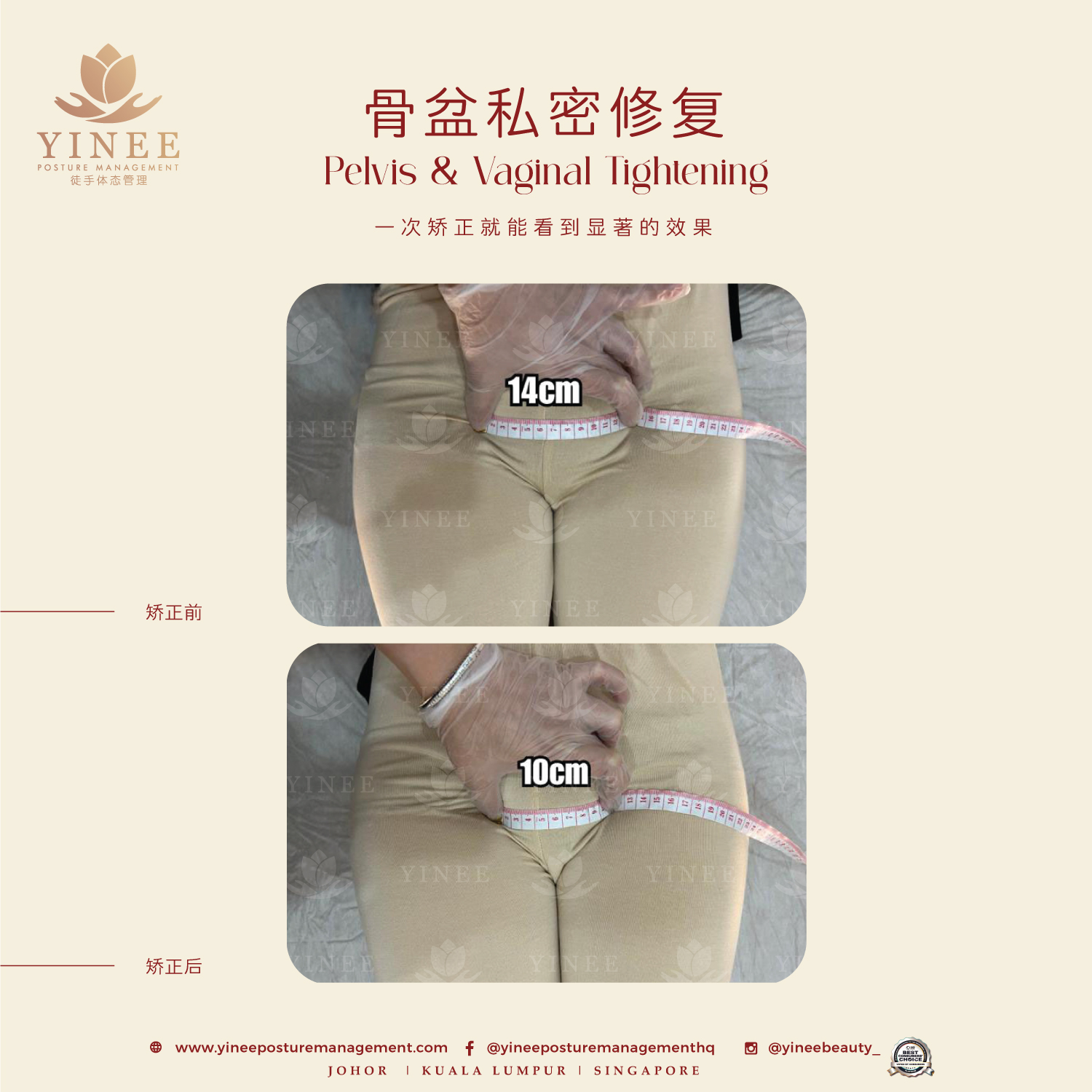
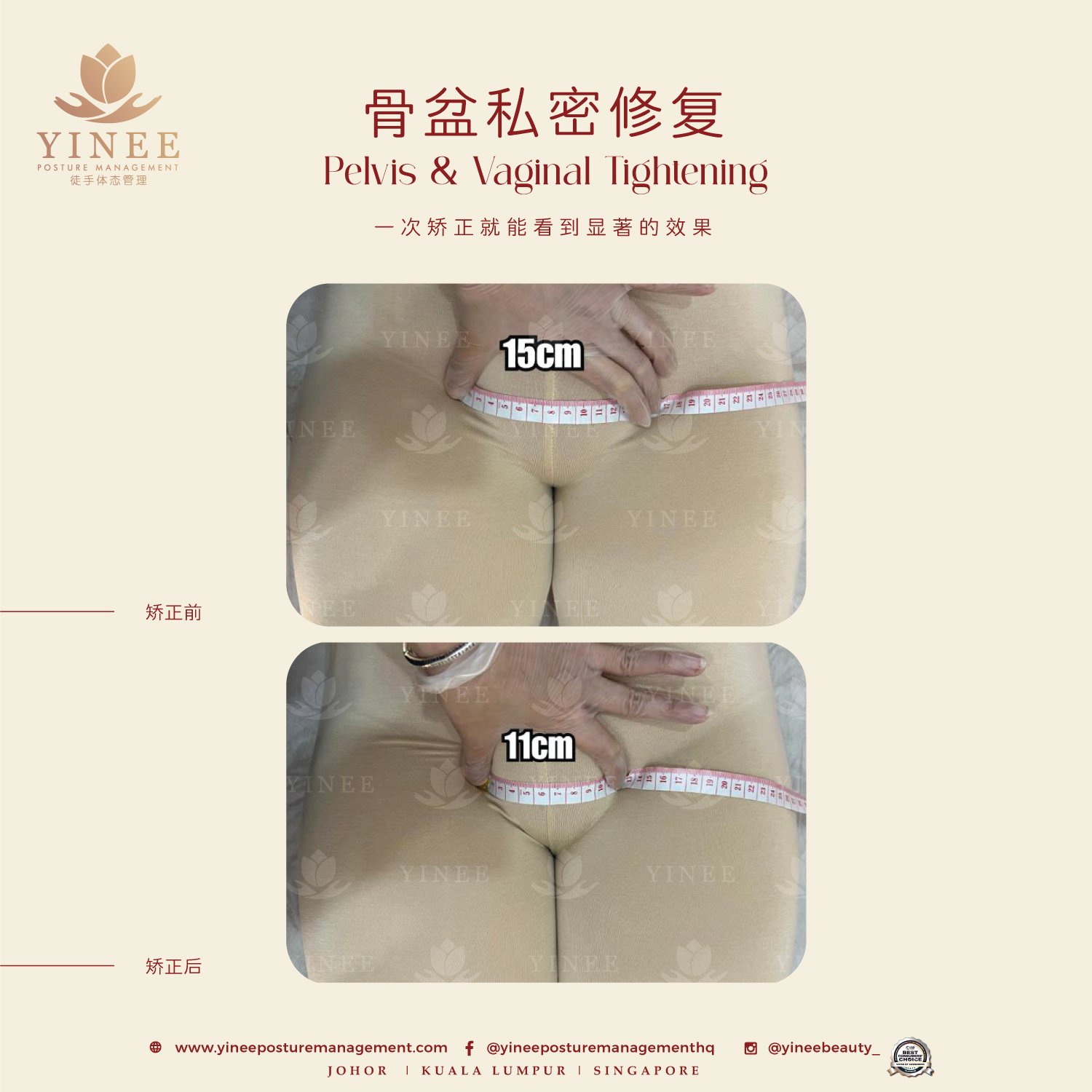
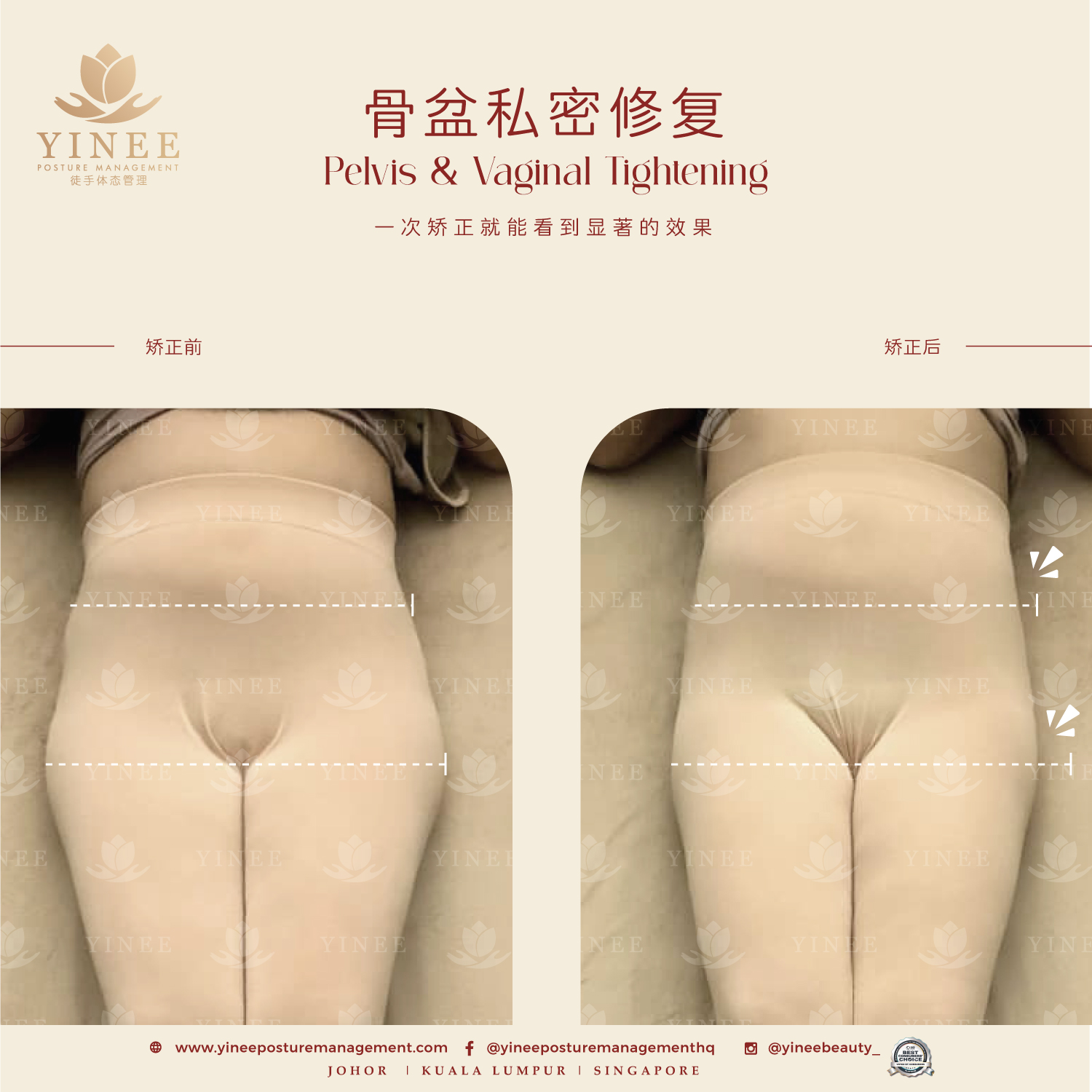
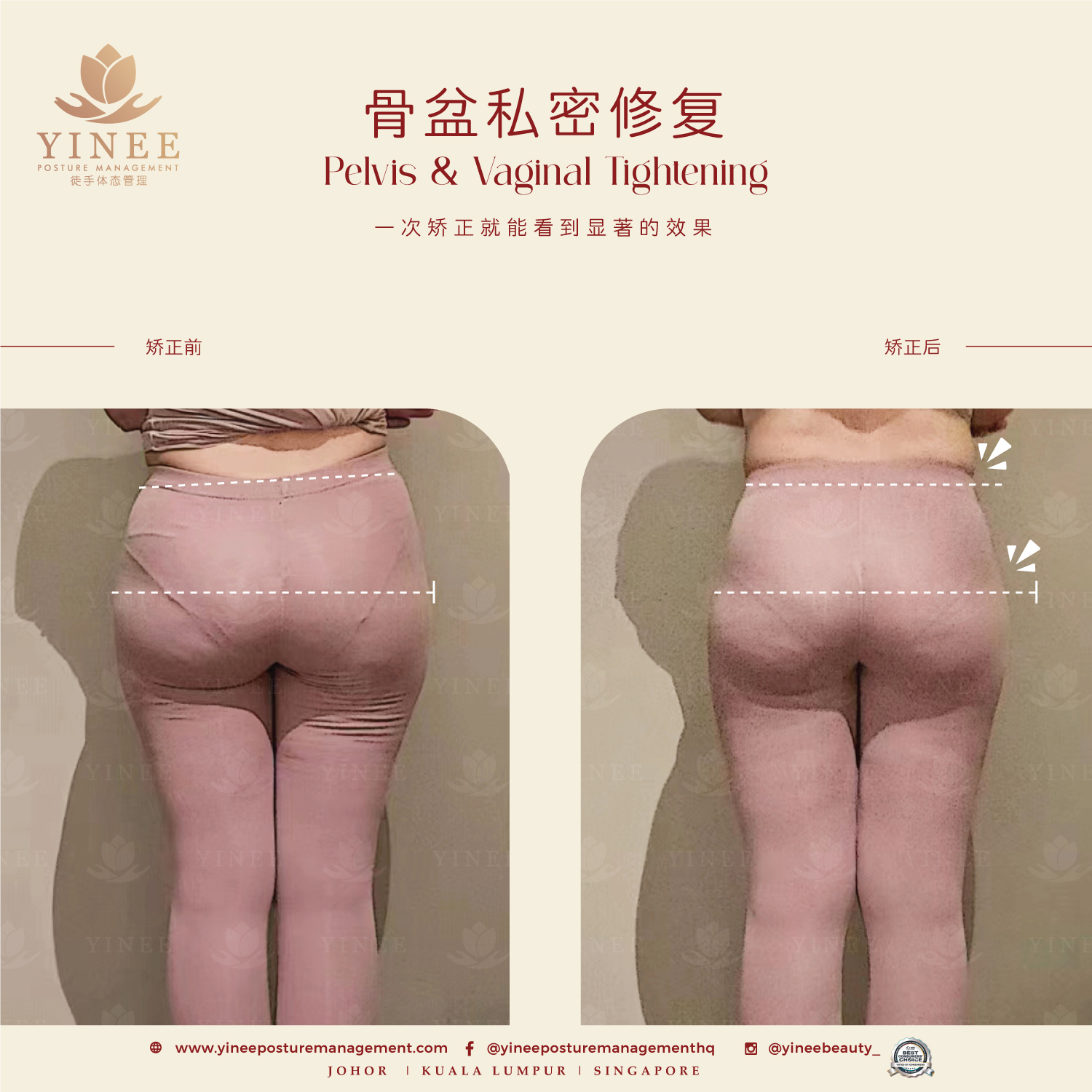
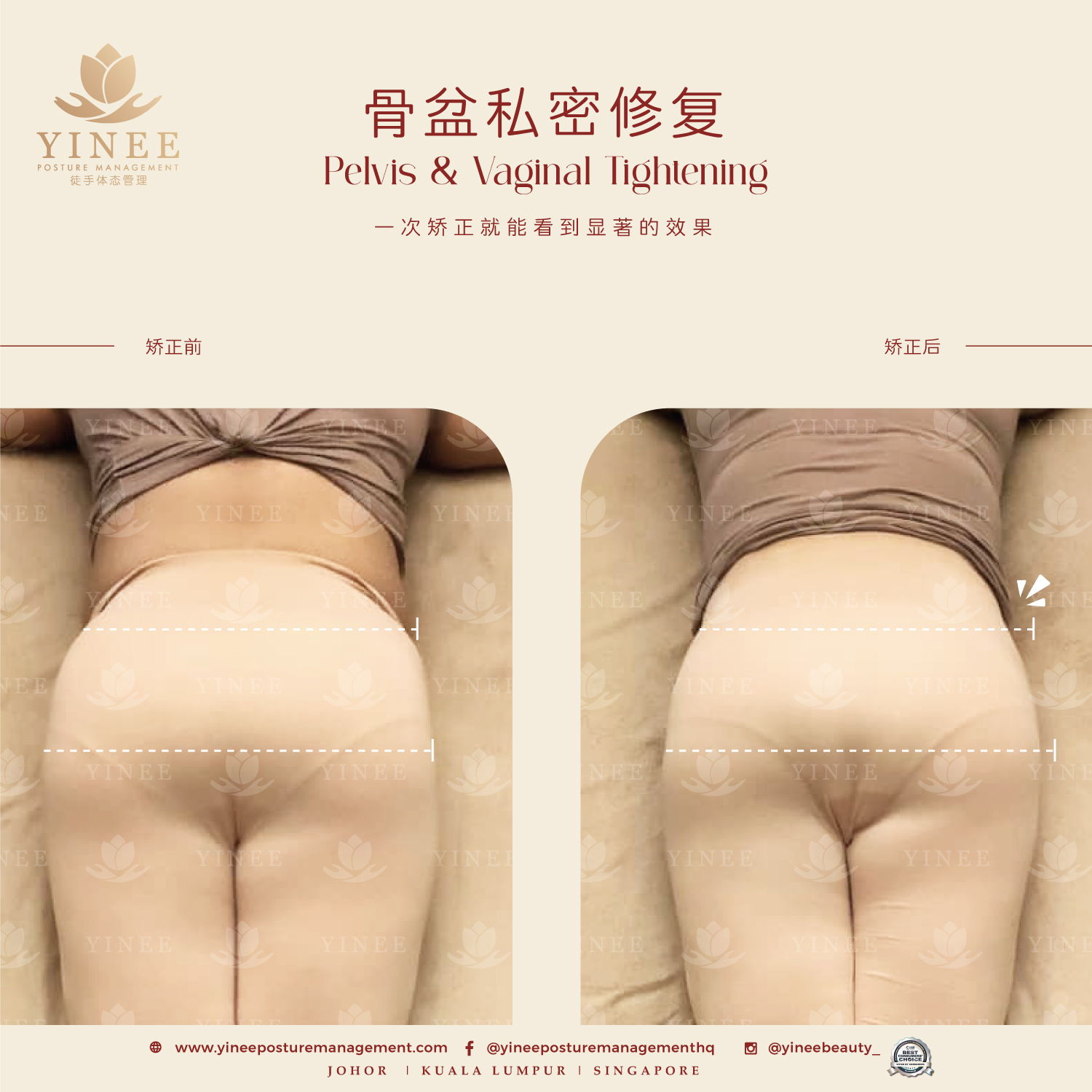
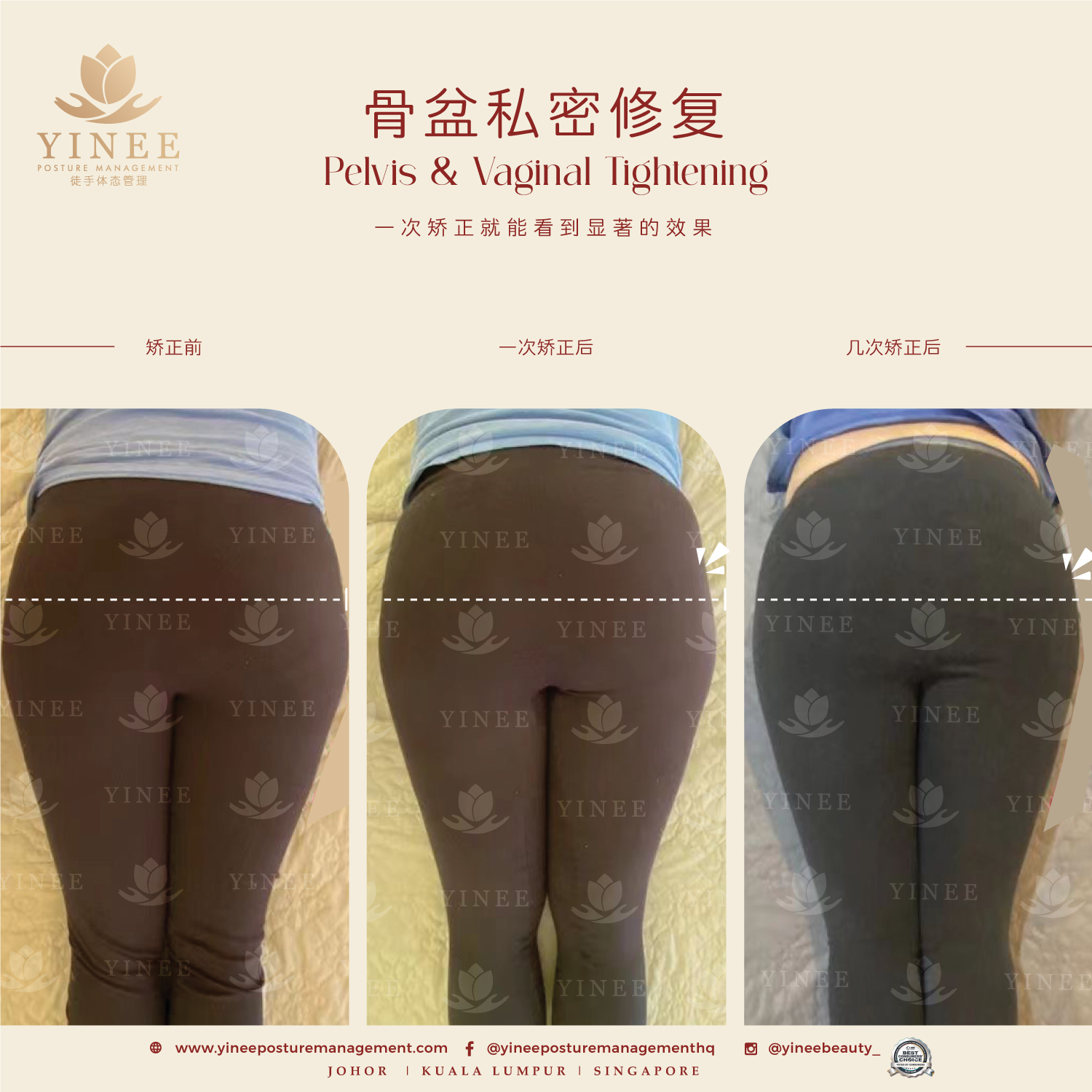
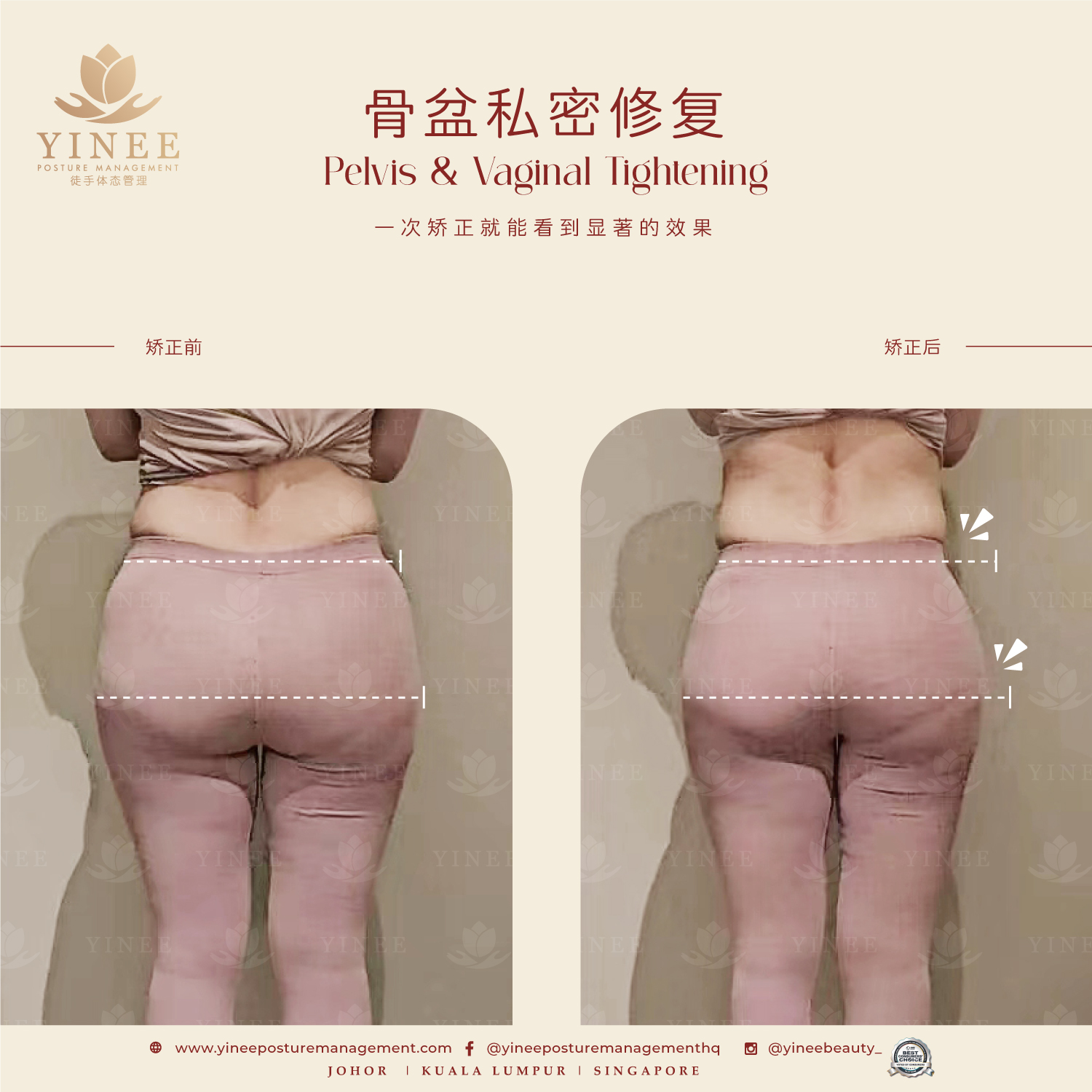
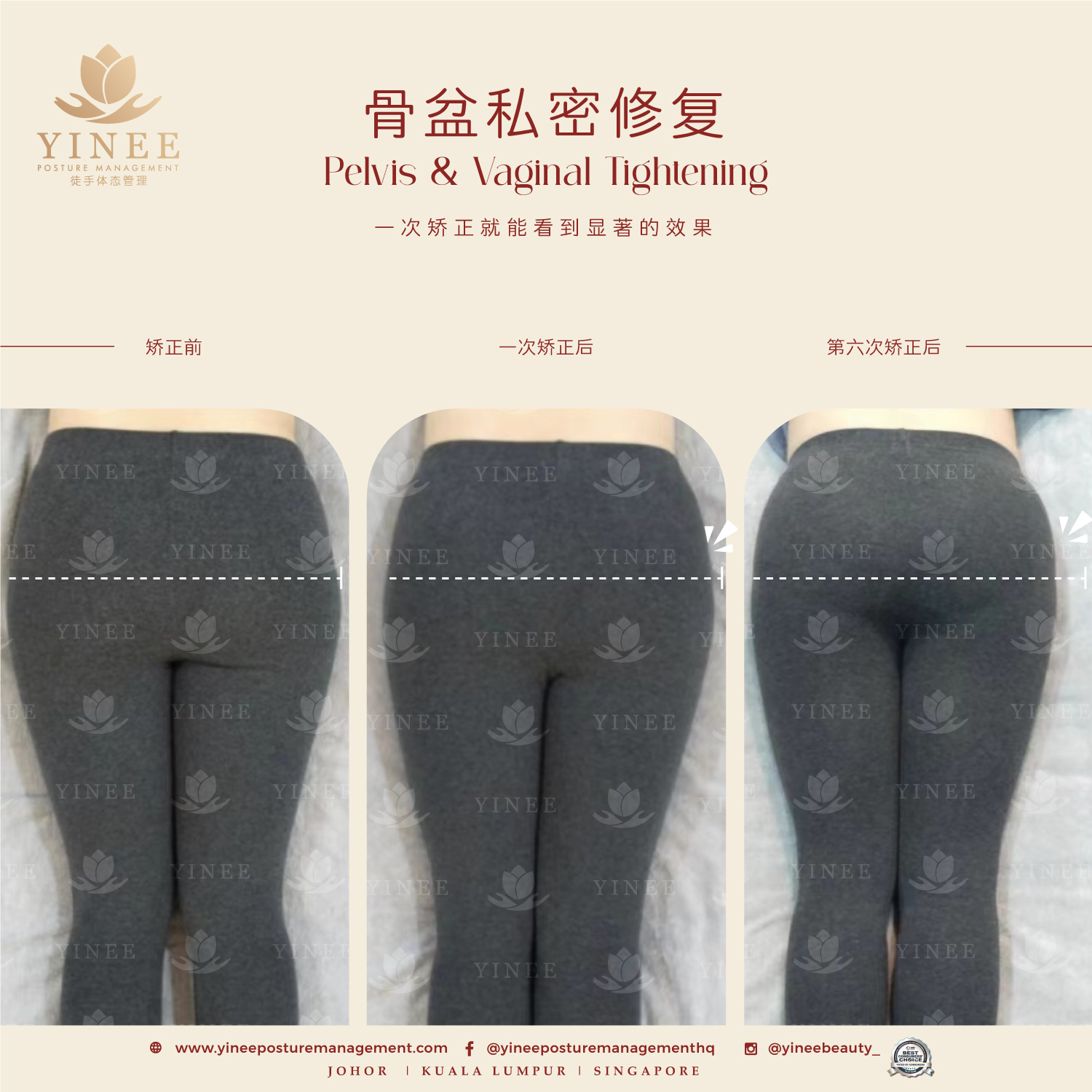
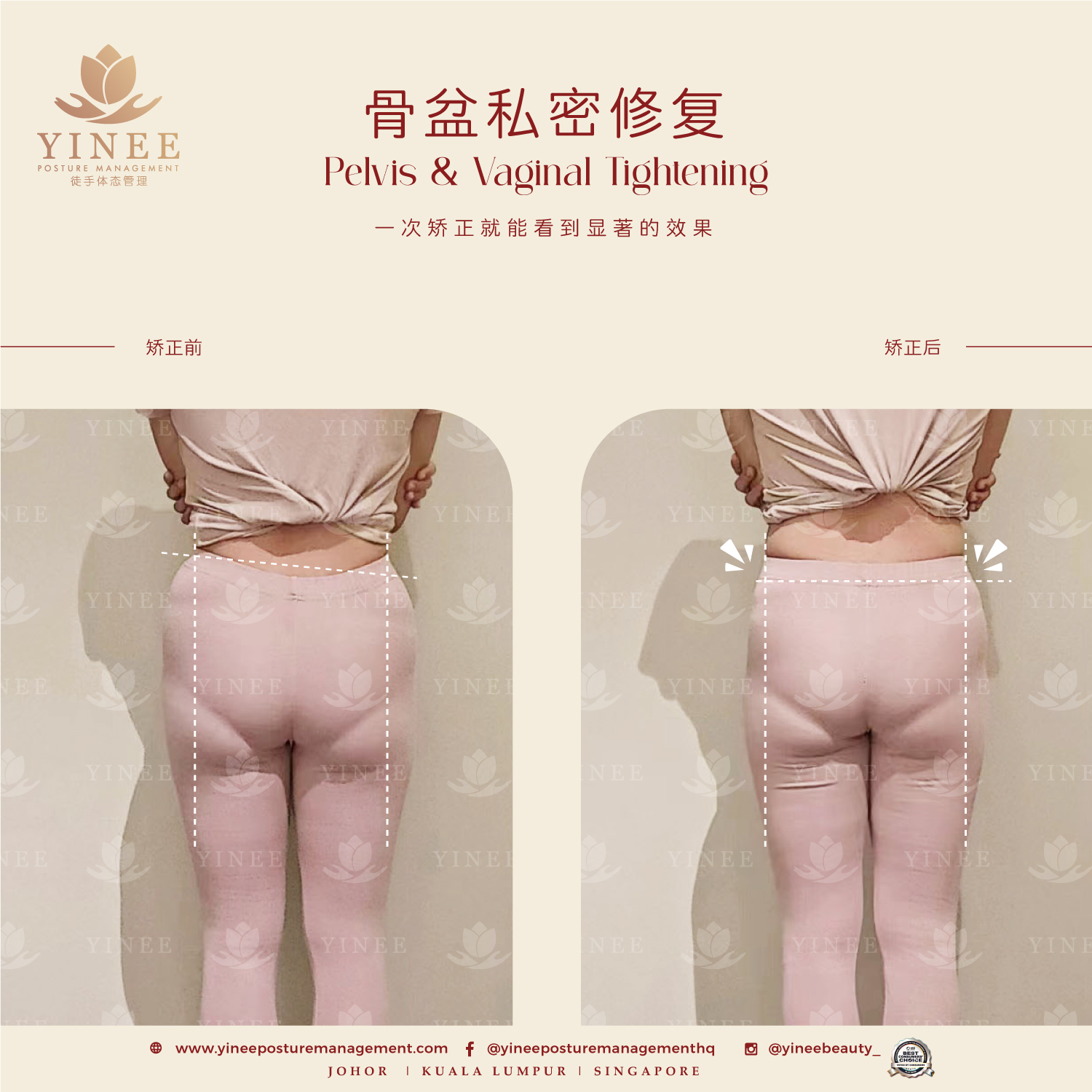
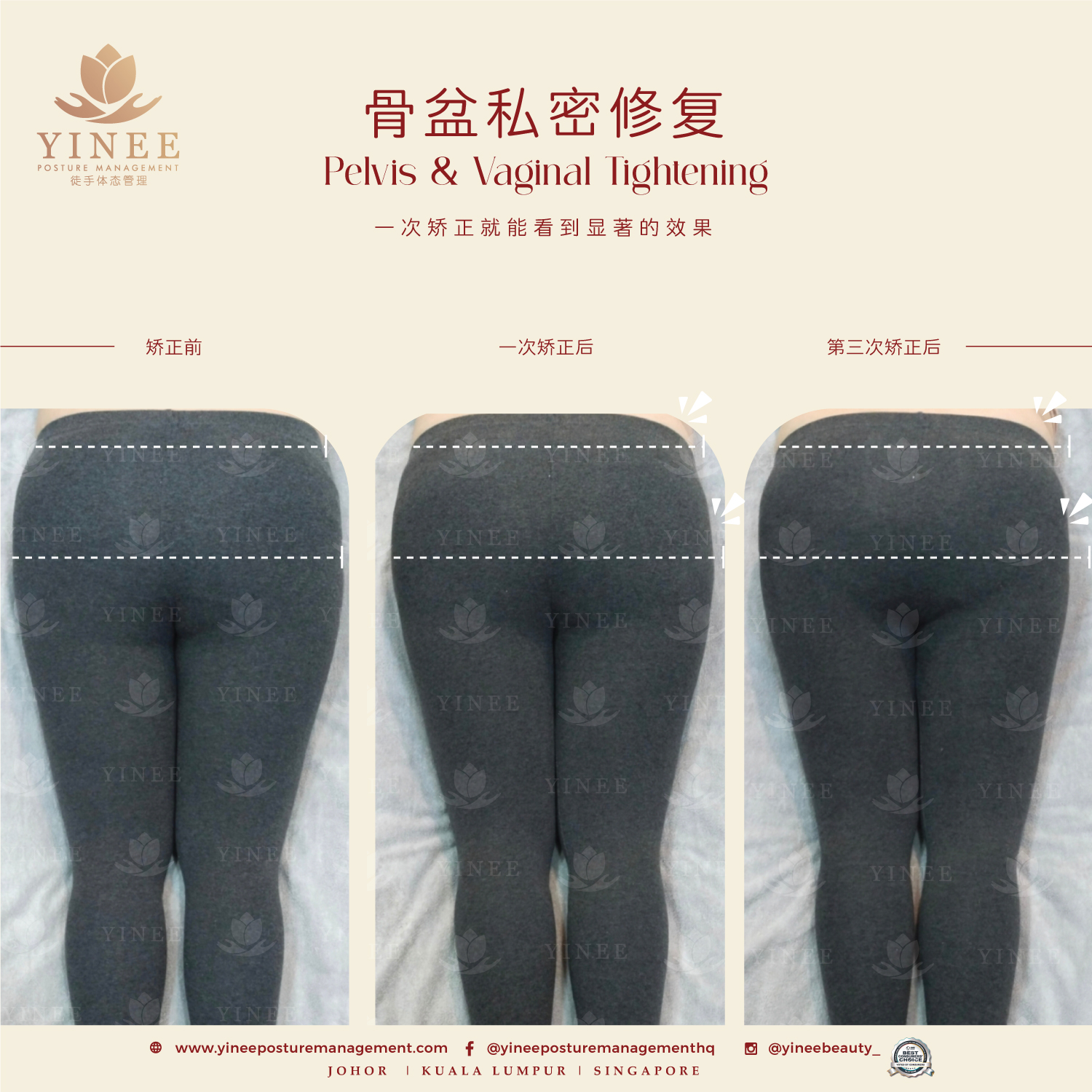
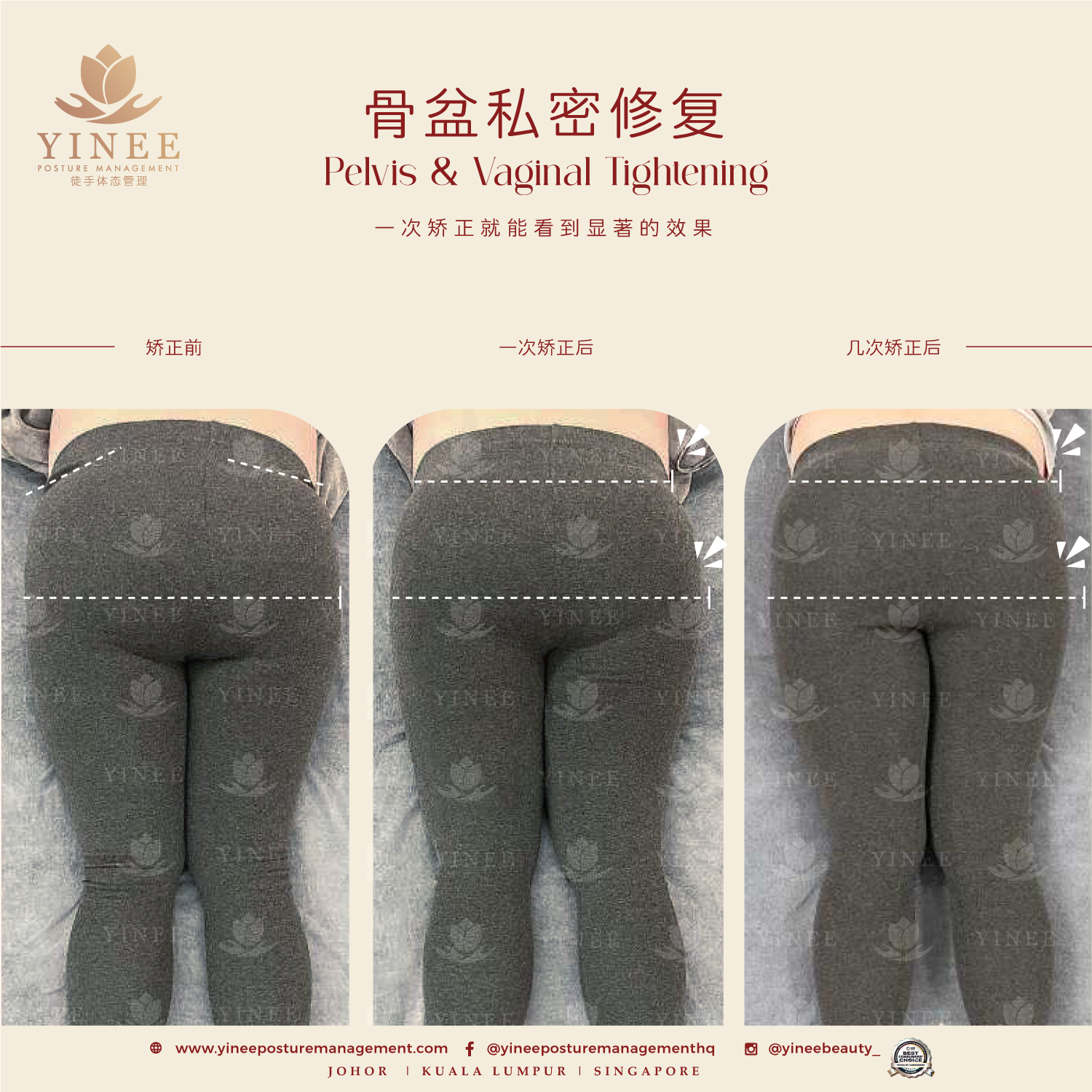
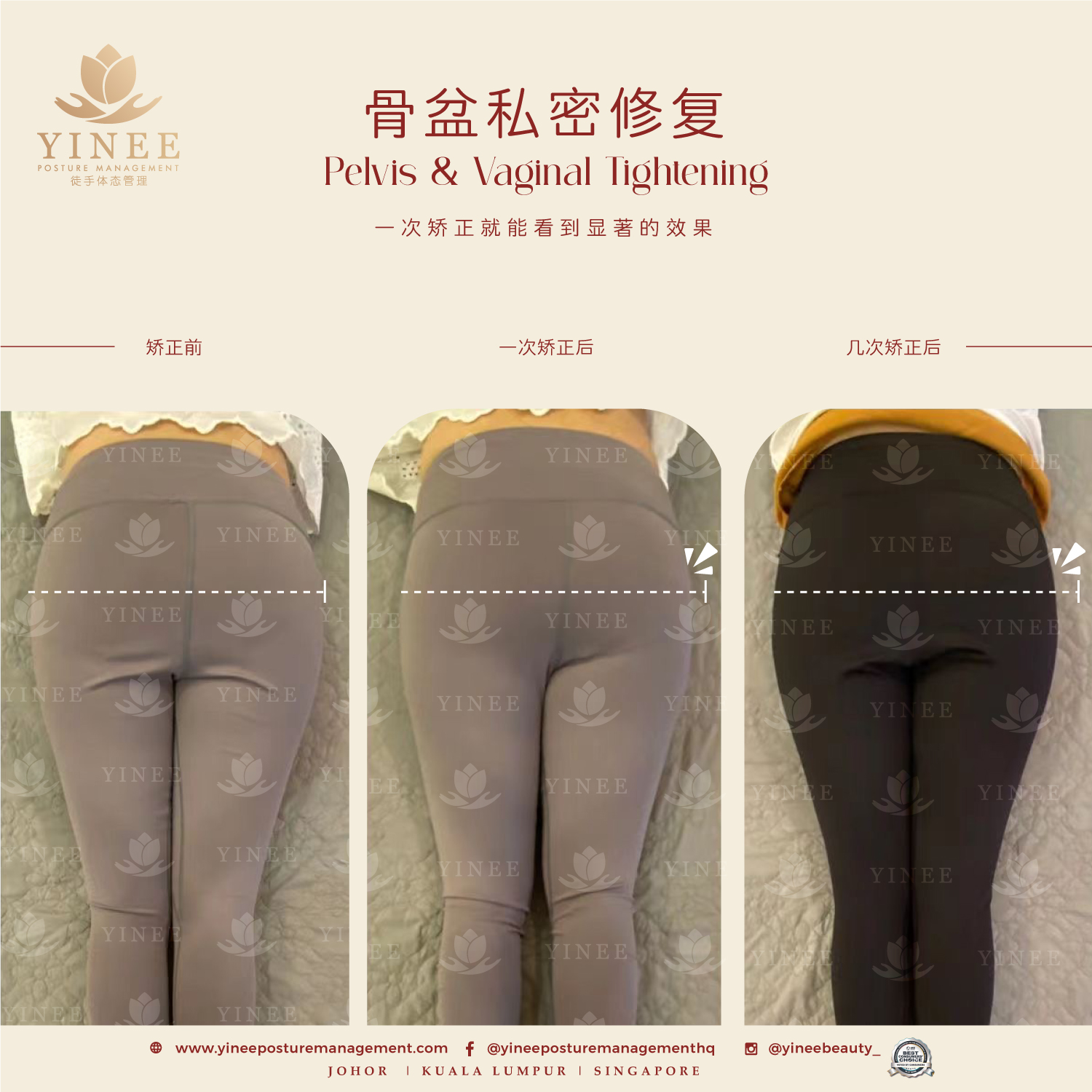
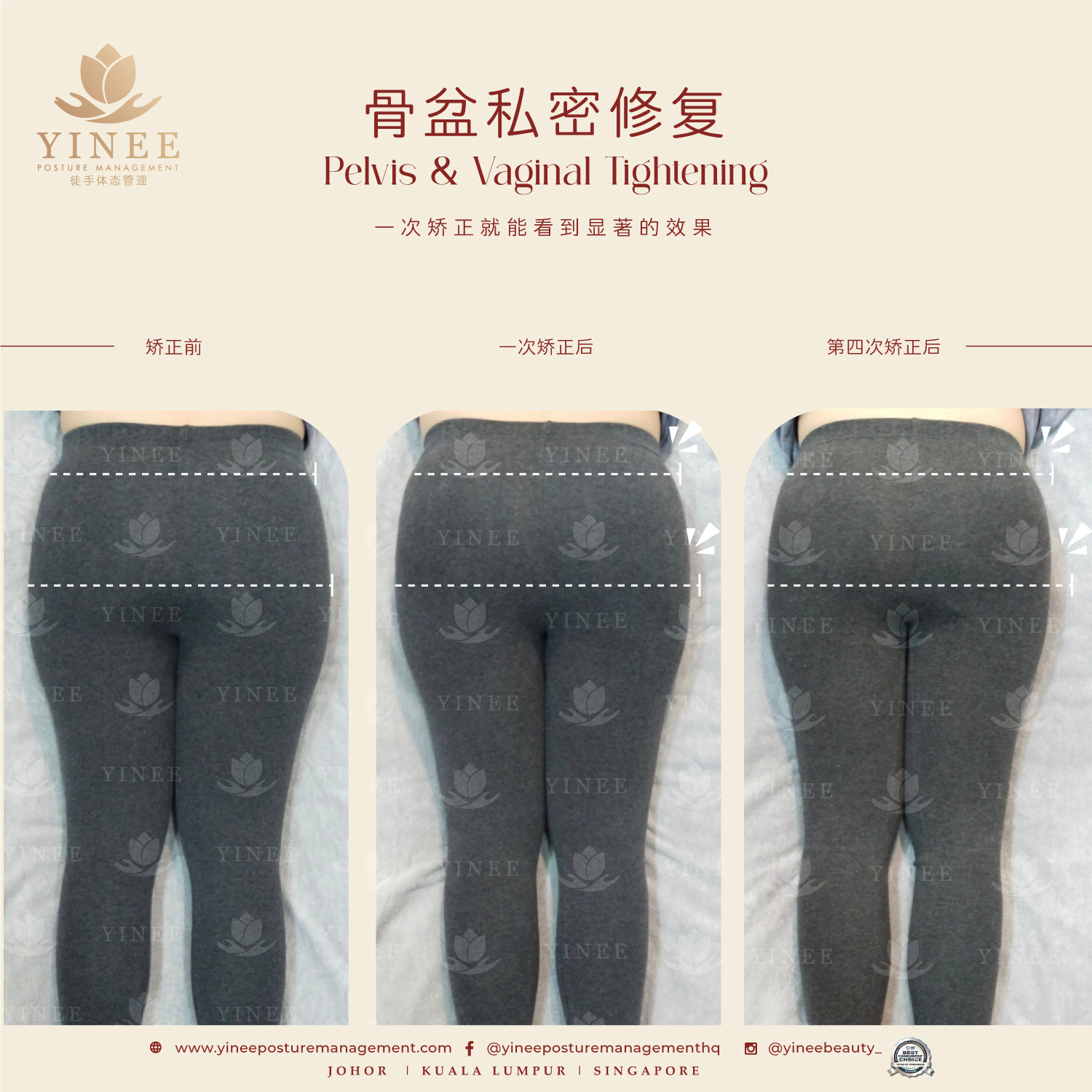
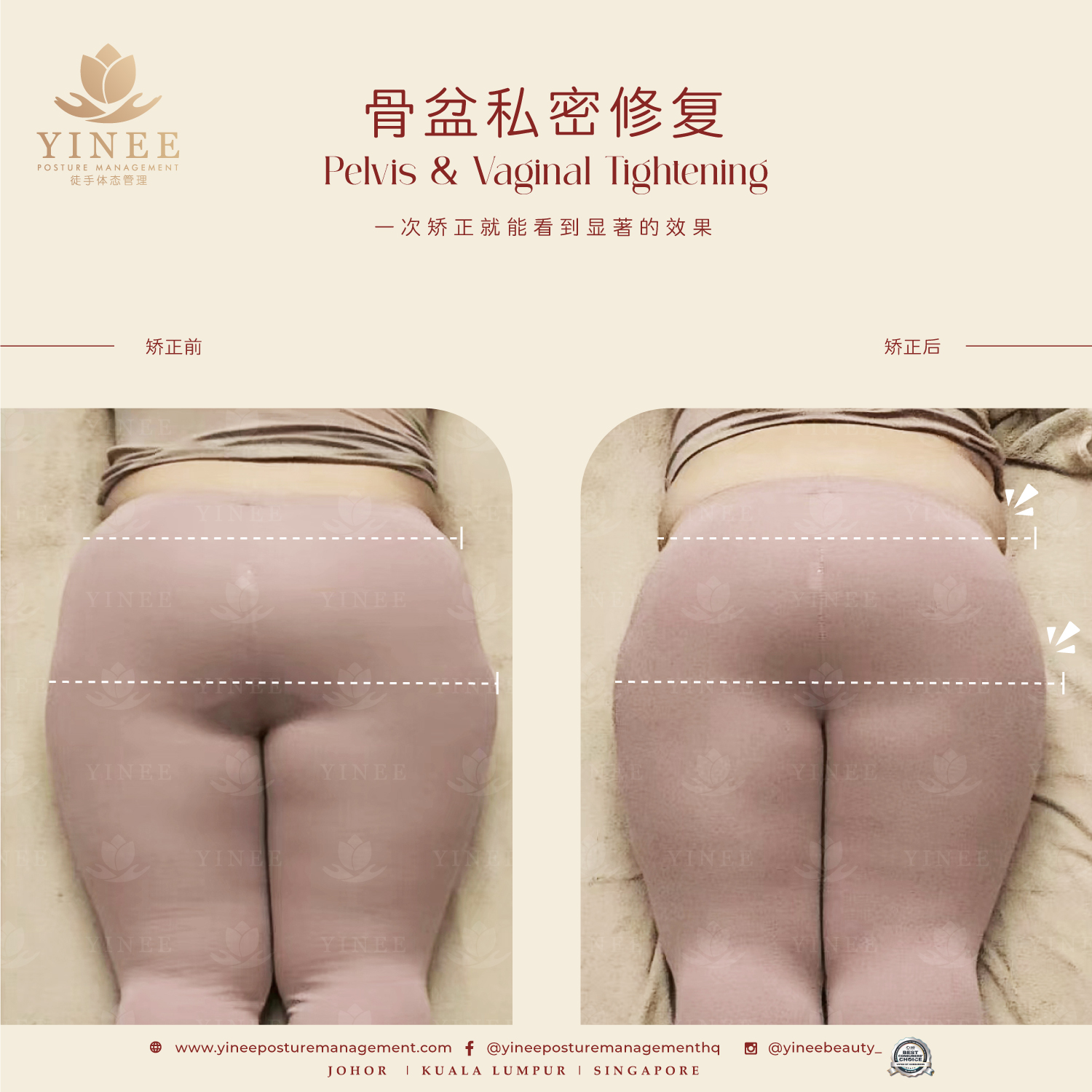
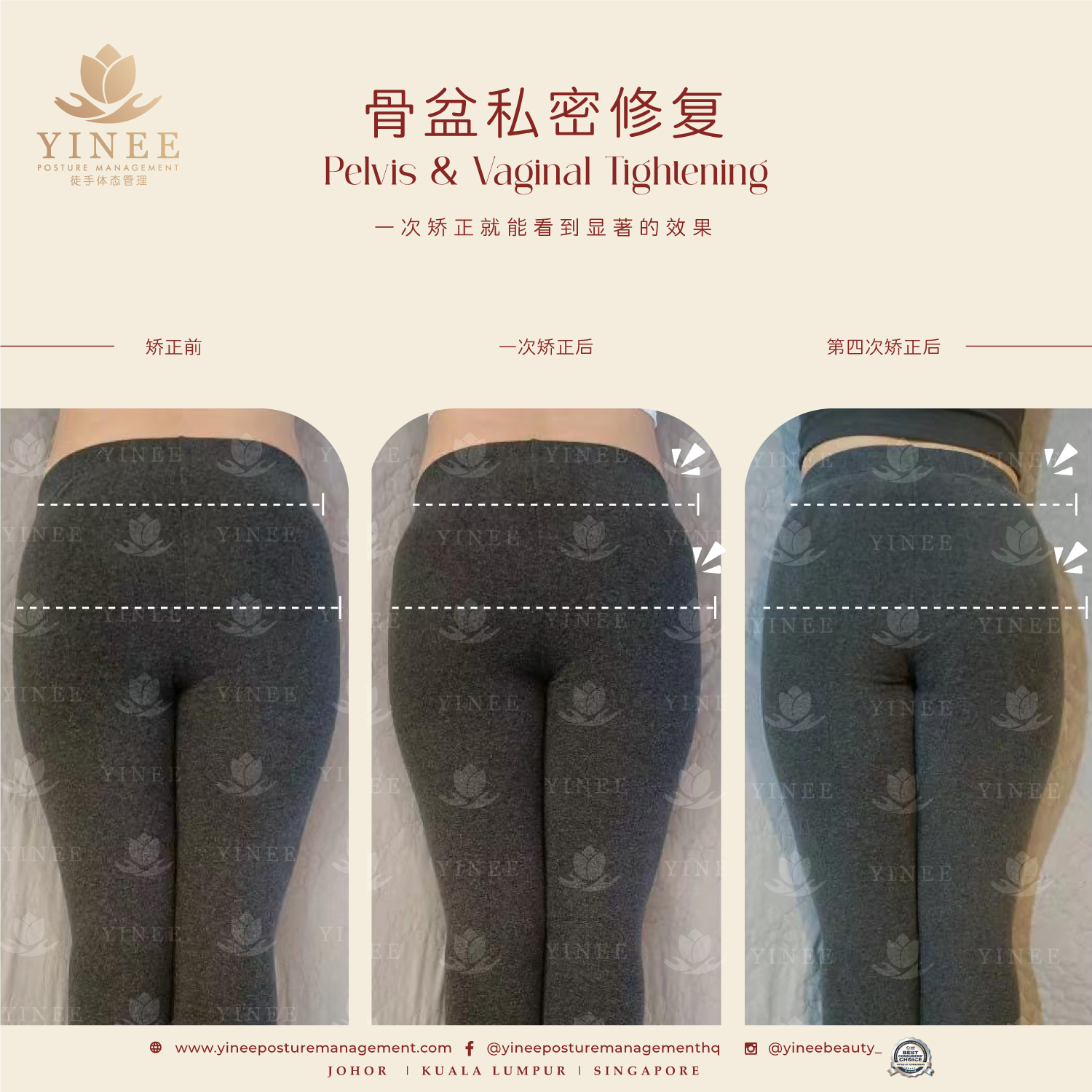
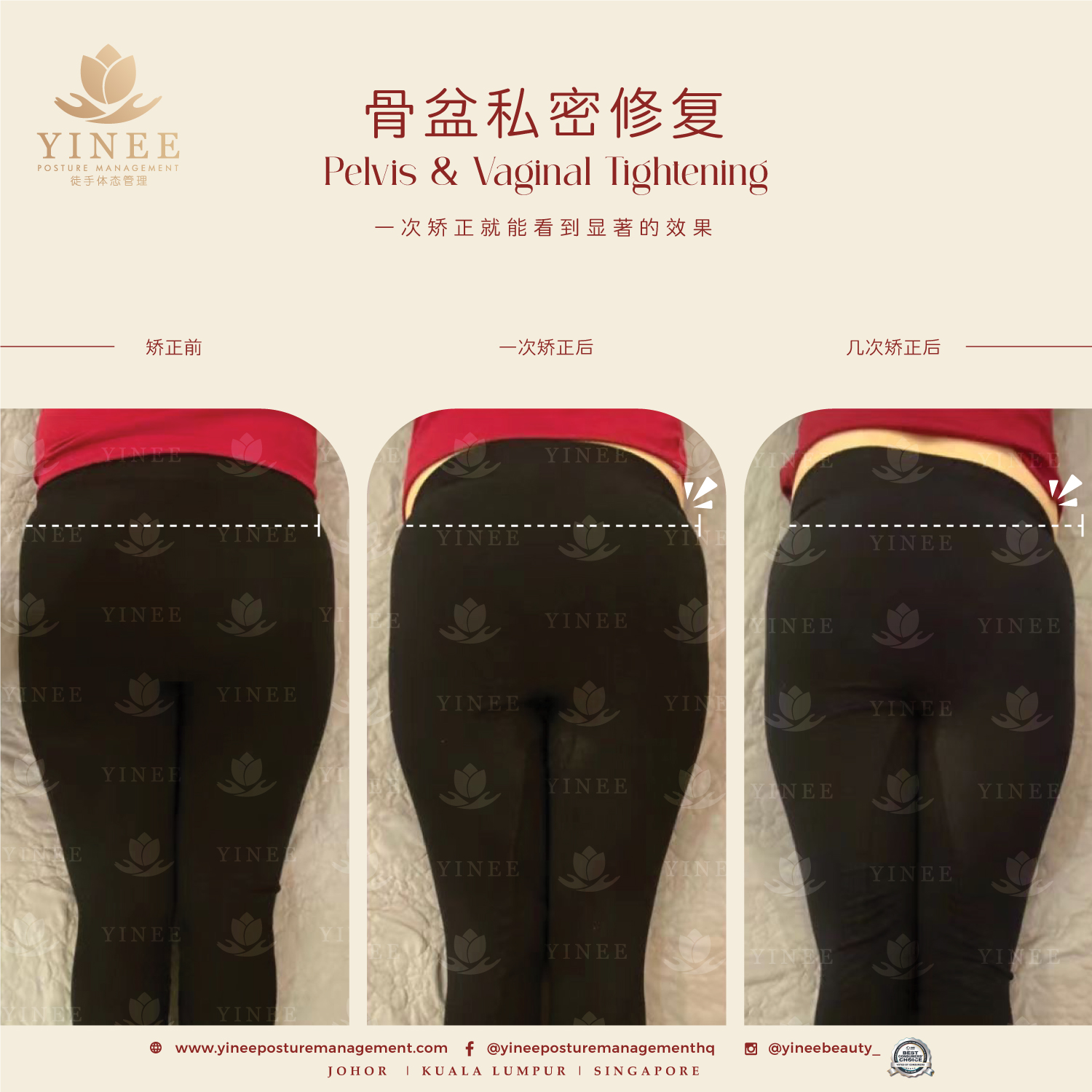
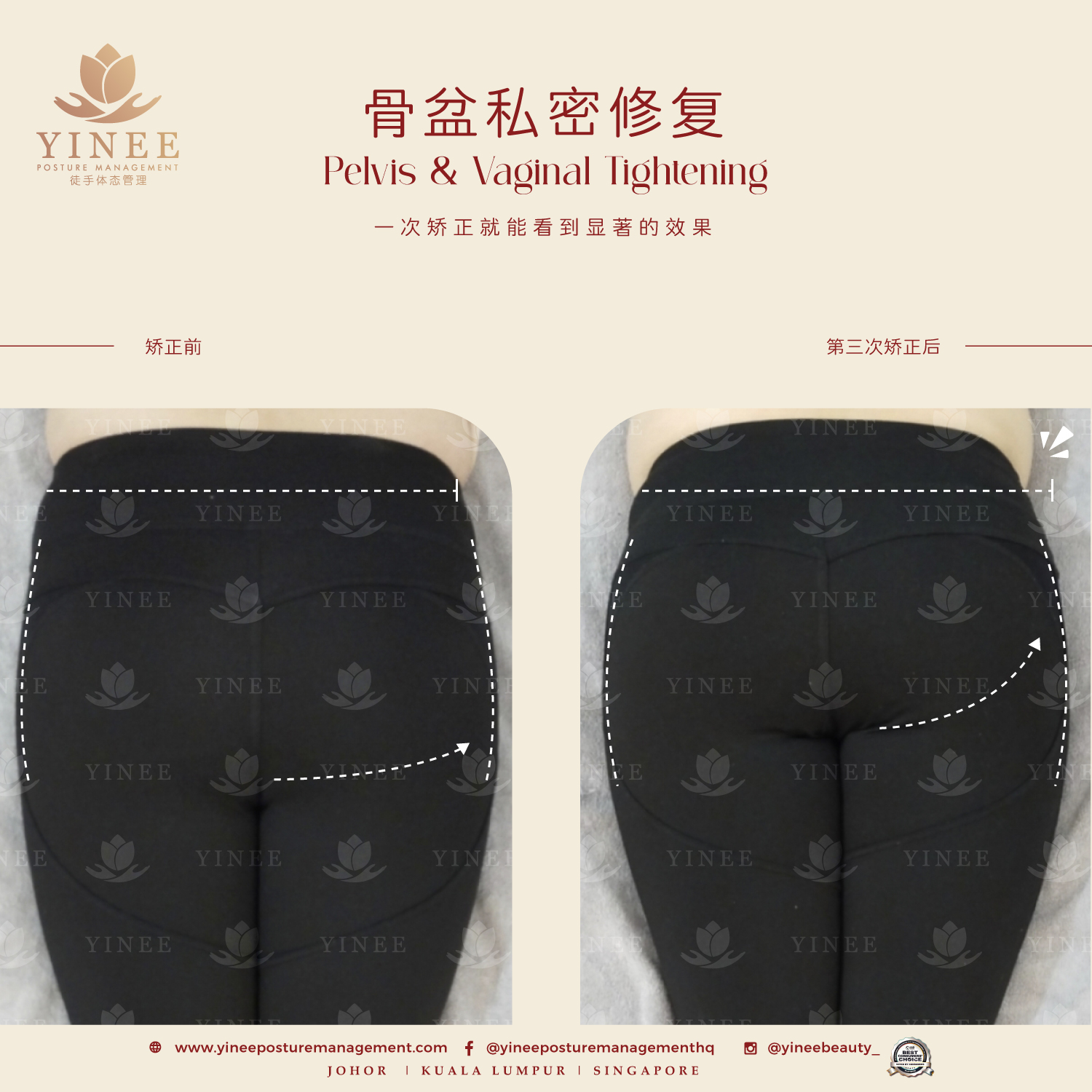
Here are 6 common pelvic issues! Any of these conditions can affect the appearance of the pelvis and put pressure on nerves, leading to frequent lower back pain.
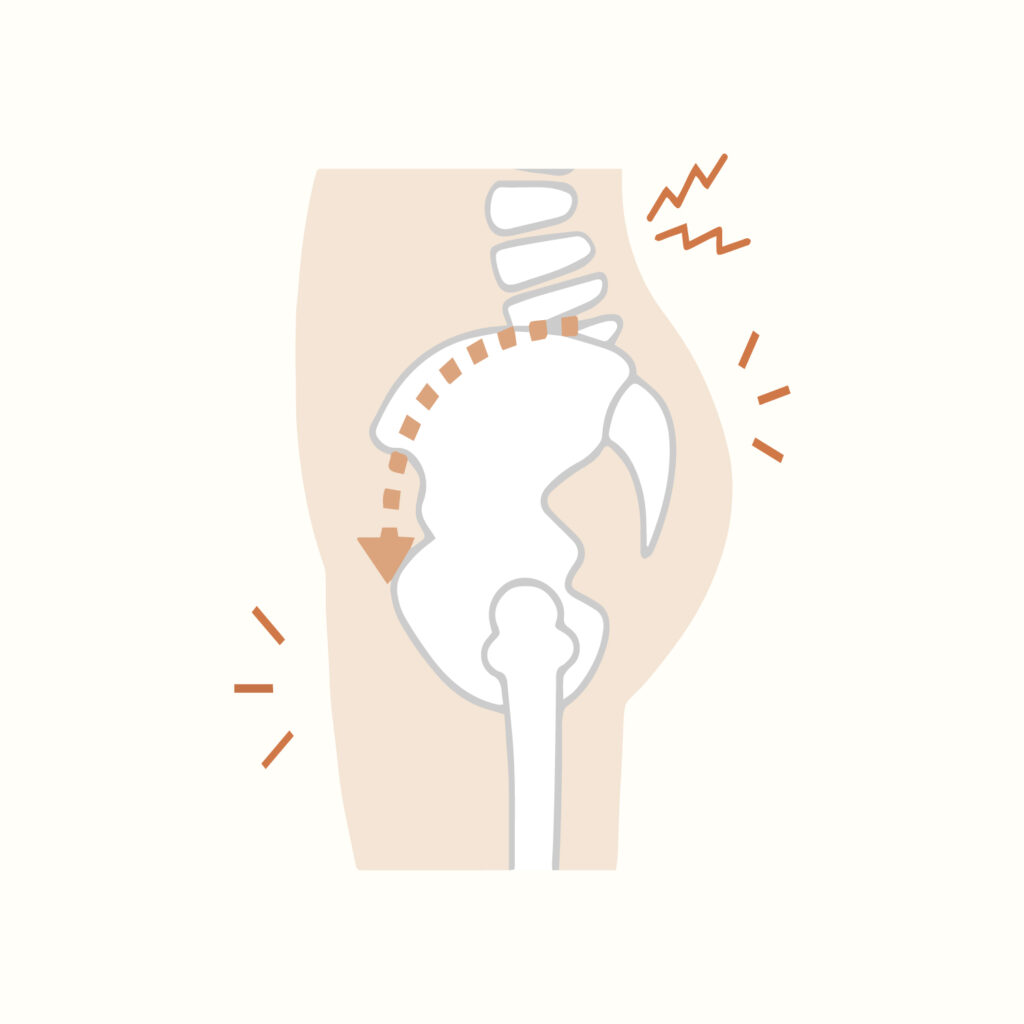
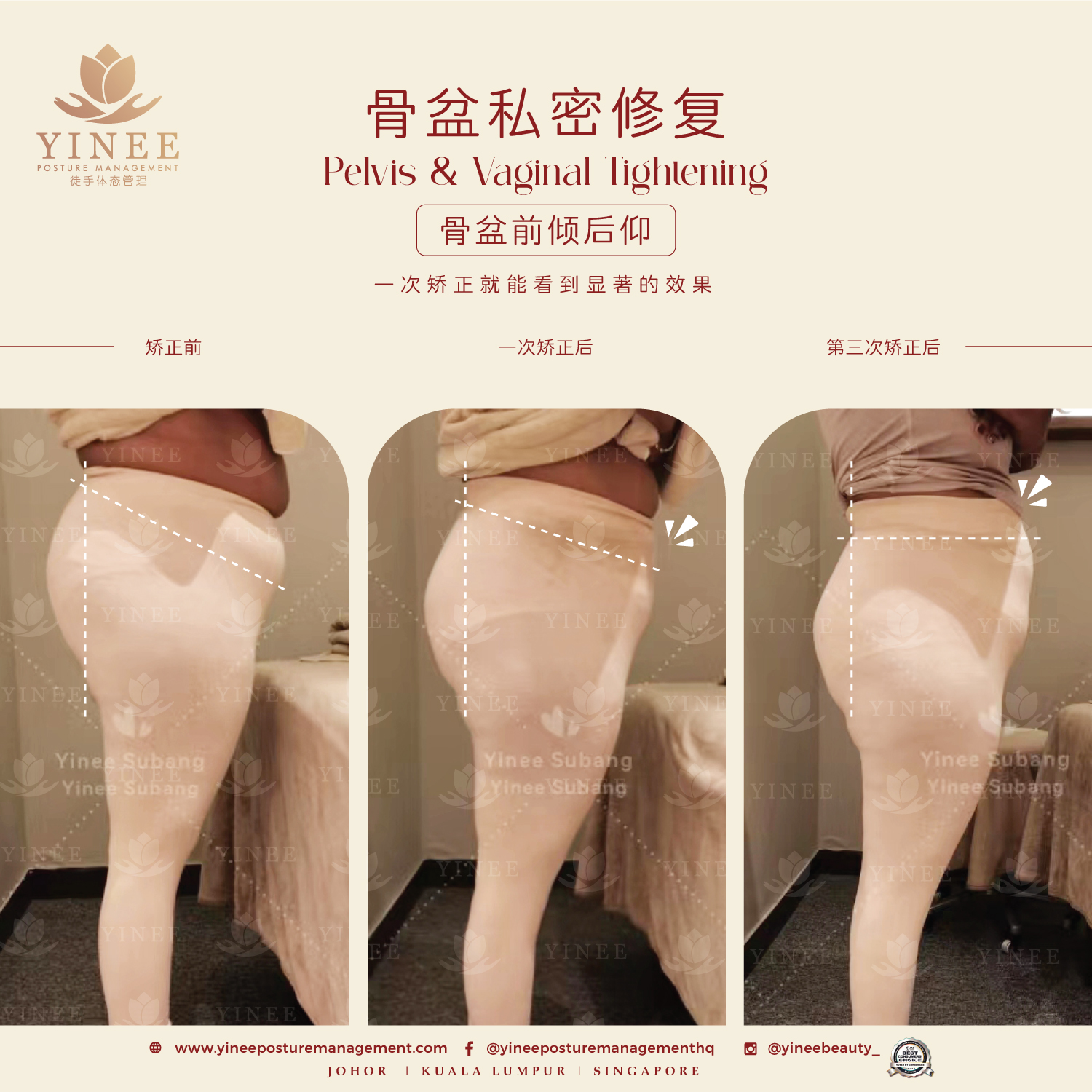
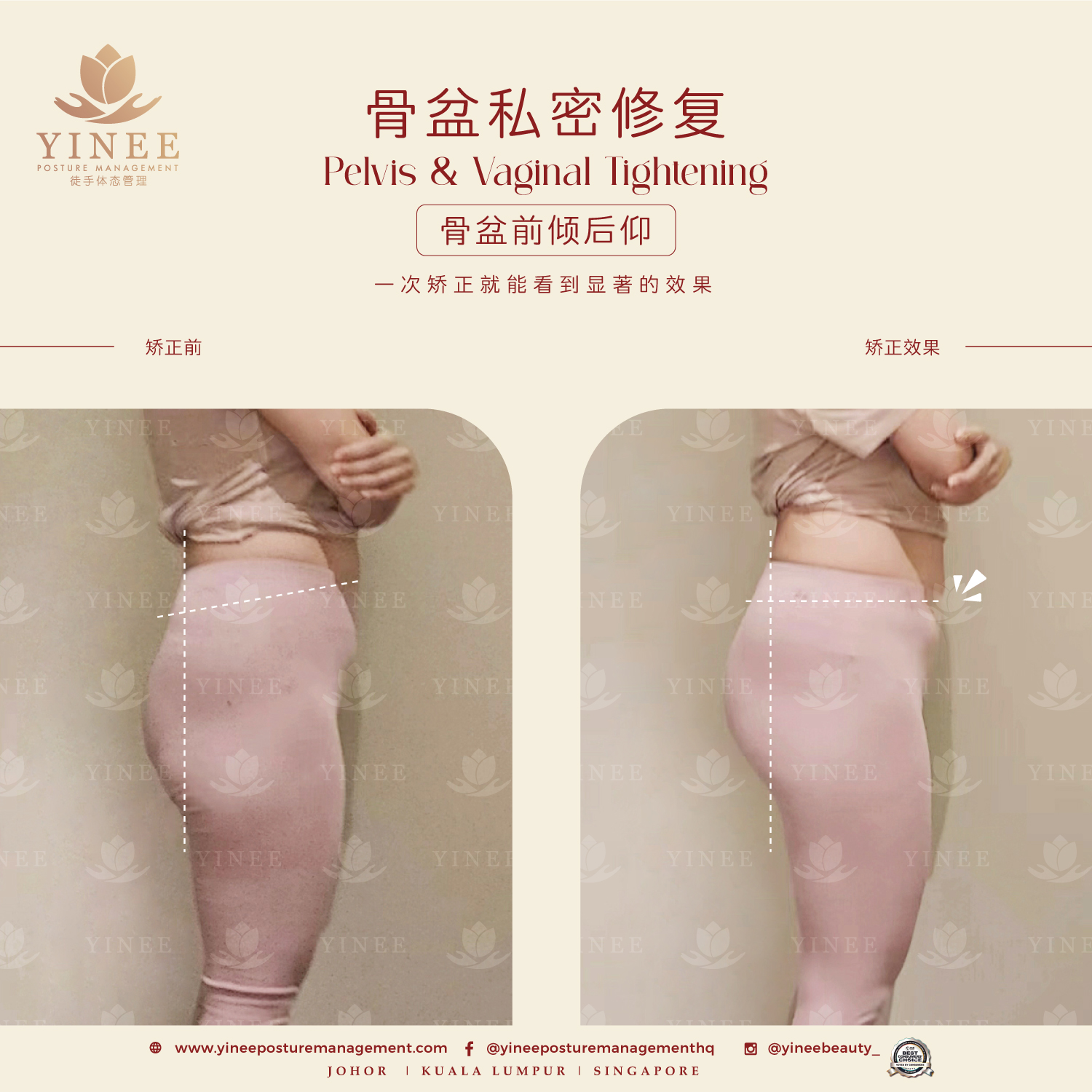
Anterior Pelvic Tilt
Internal organs sag, causing pressure on blood vessels and obstructing blood circulation.
Protruding lower abdomen, hips spreading outward and sagging.
Often mistakenly considered as a “perky butt” appearance.
Increased lumbar curve, raising the risk of lower back pain.
Affects the balance of hip flexor and extensor muscles, as well as hip joint mobility.
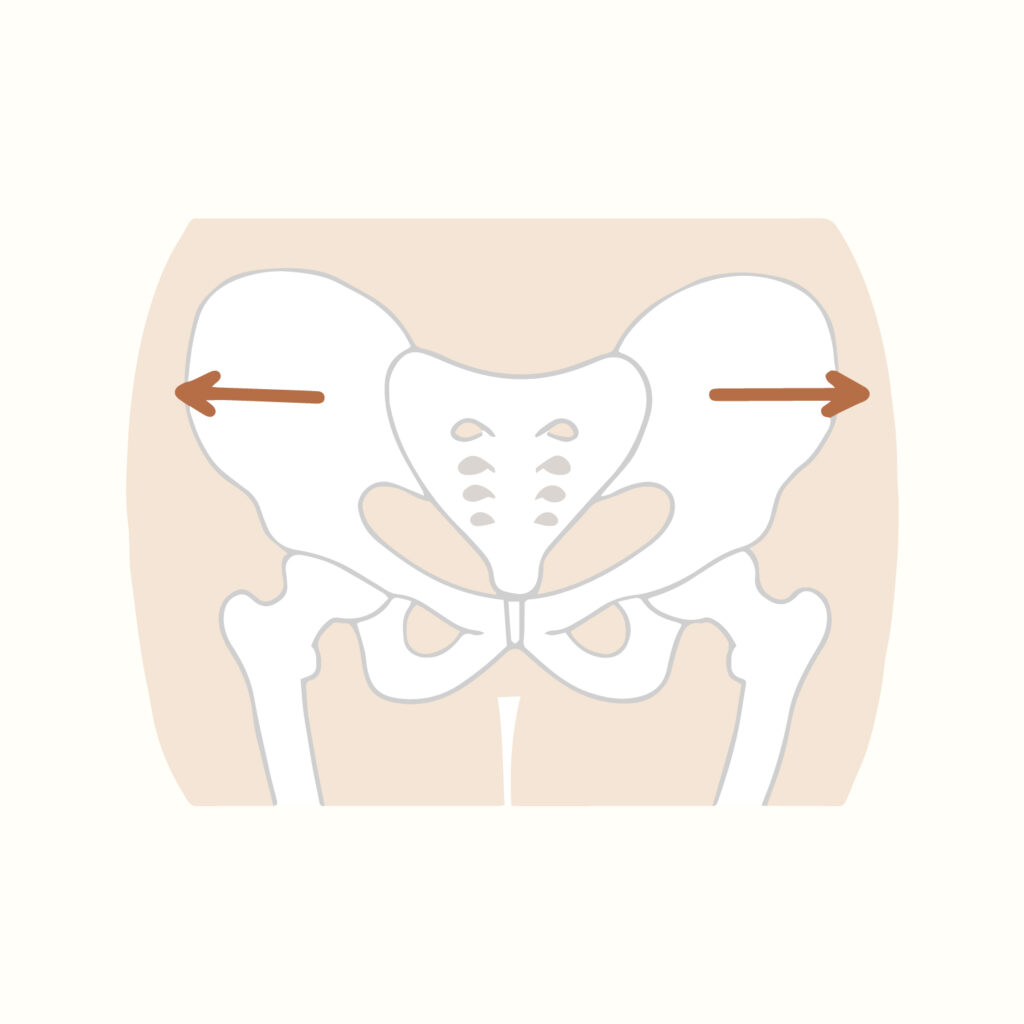
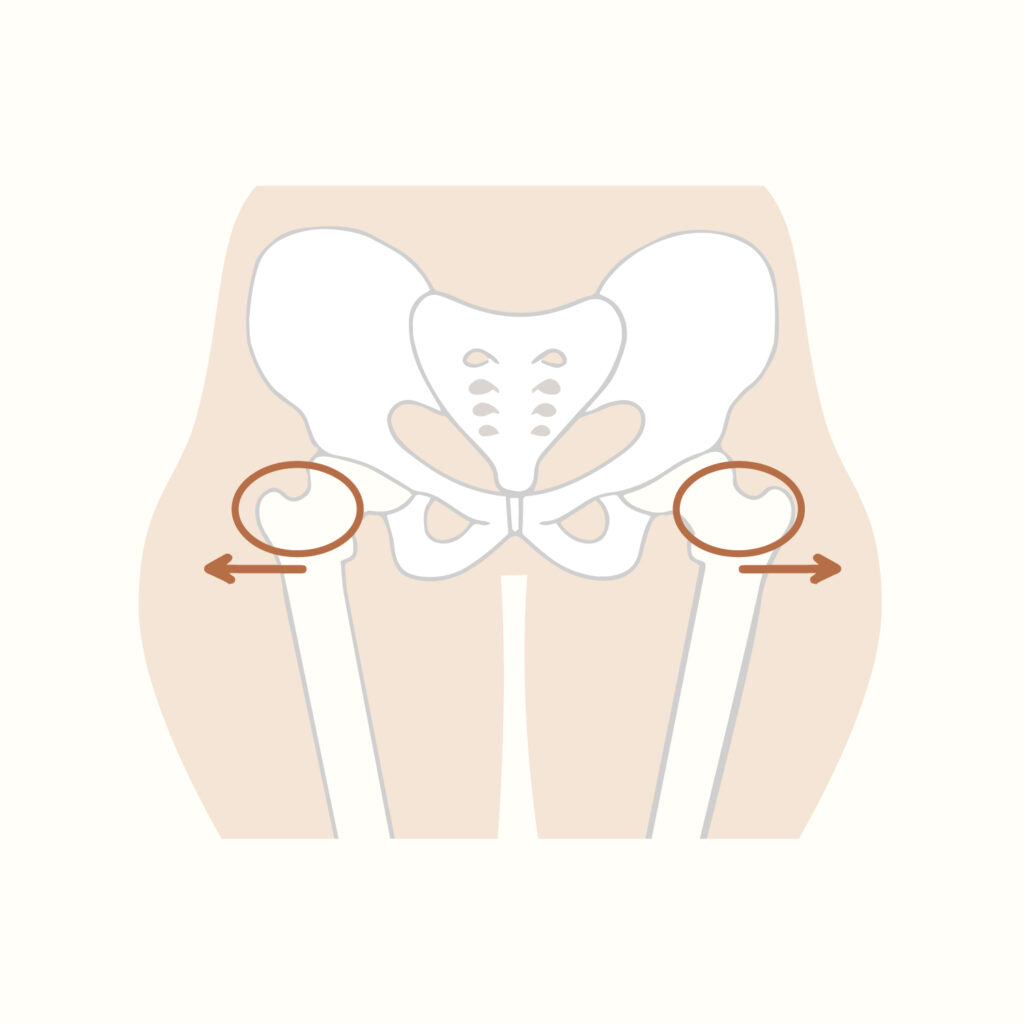
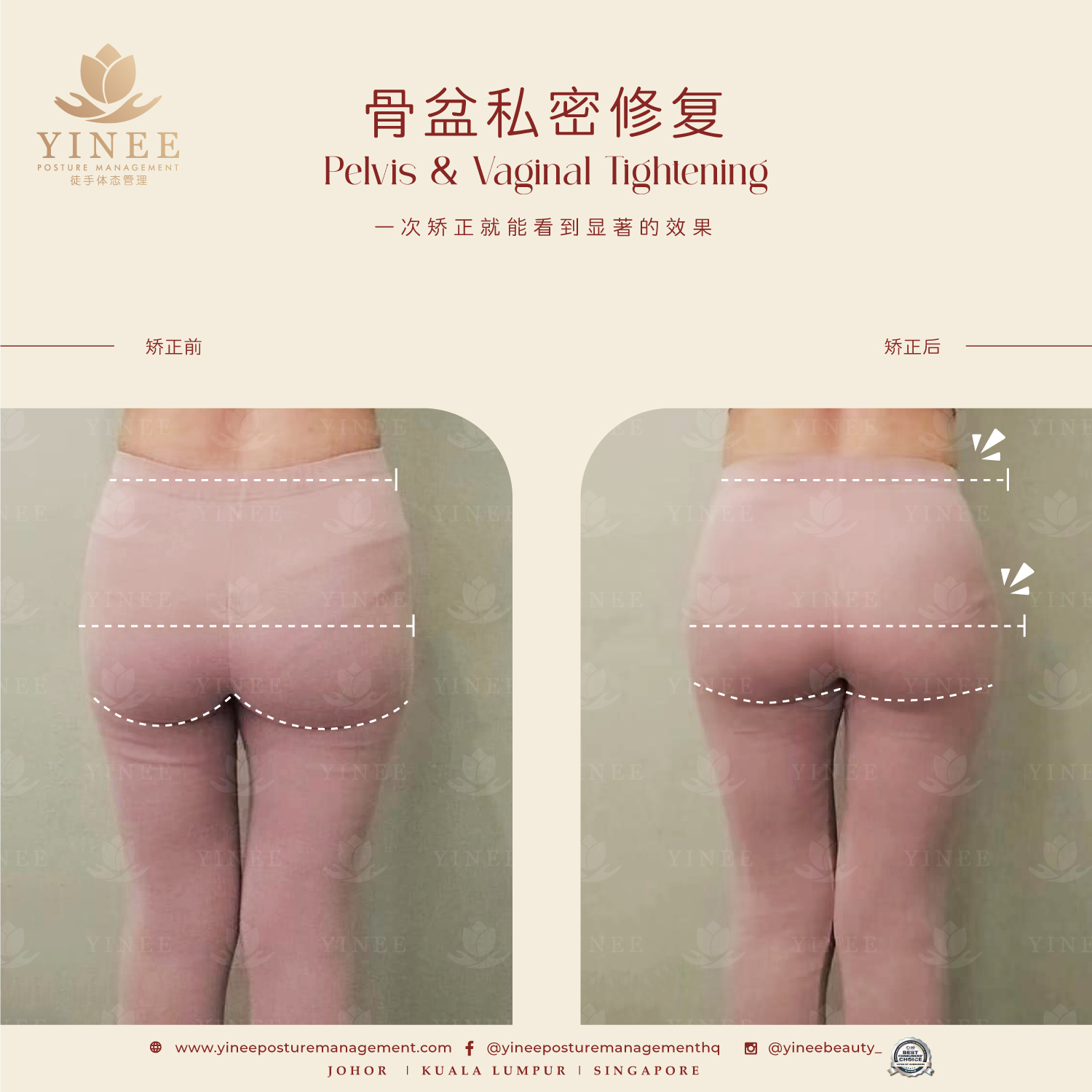
Pelvic Widening
Affects the aesthetics of the hips.
The pelvis expands horizontally.
Increases the risk of lower back pain.
Increases the risk of scoliosis.
Difficulty in finding clothes that fit properly.
Leads to a pear-shaped body.
Upper body in size S, lower body in size L.
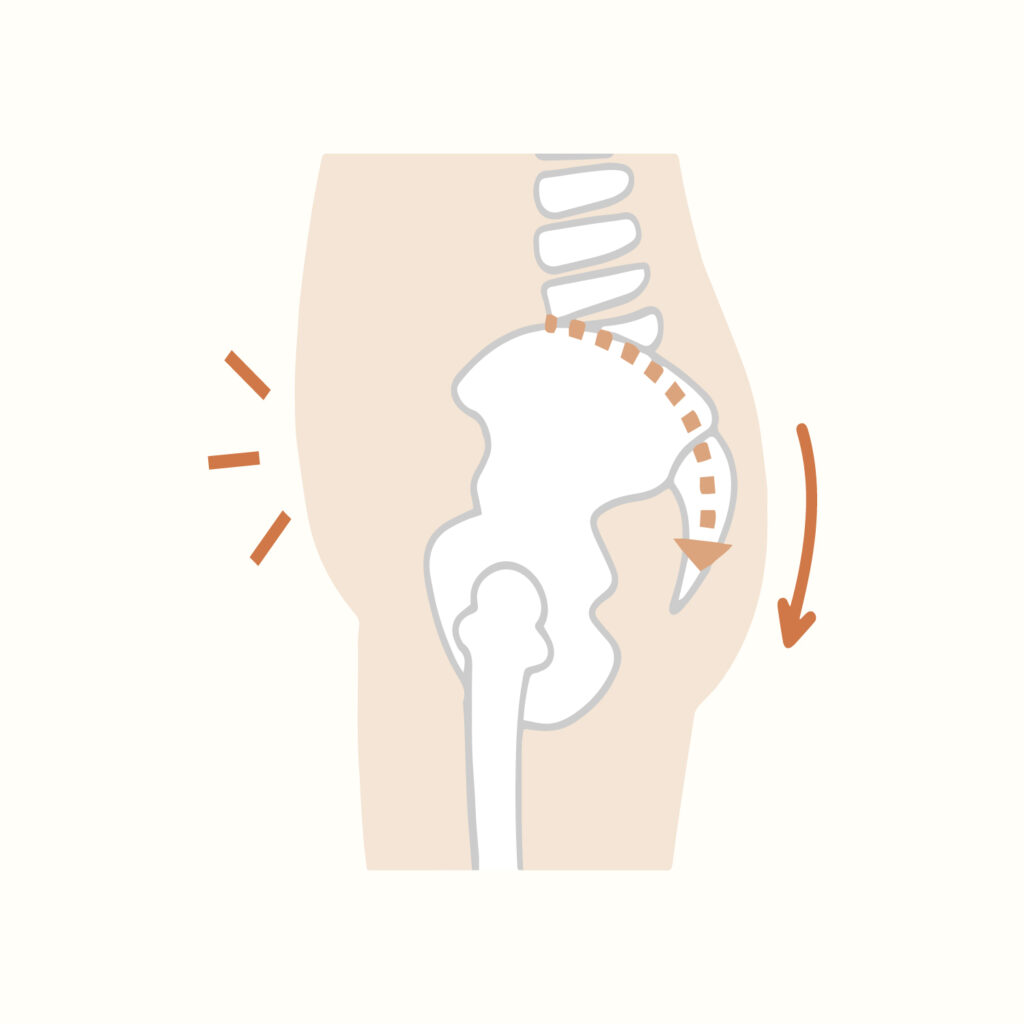
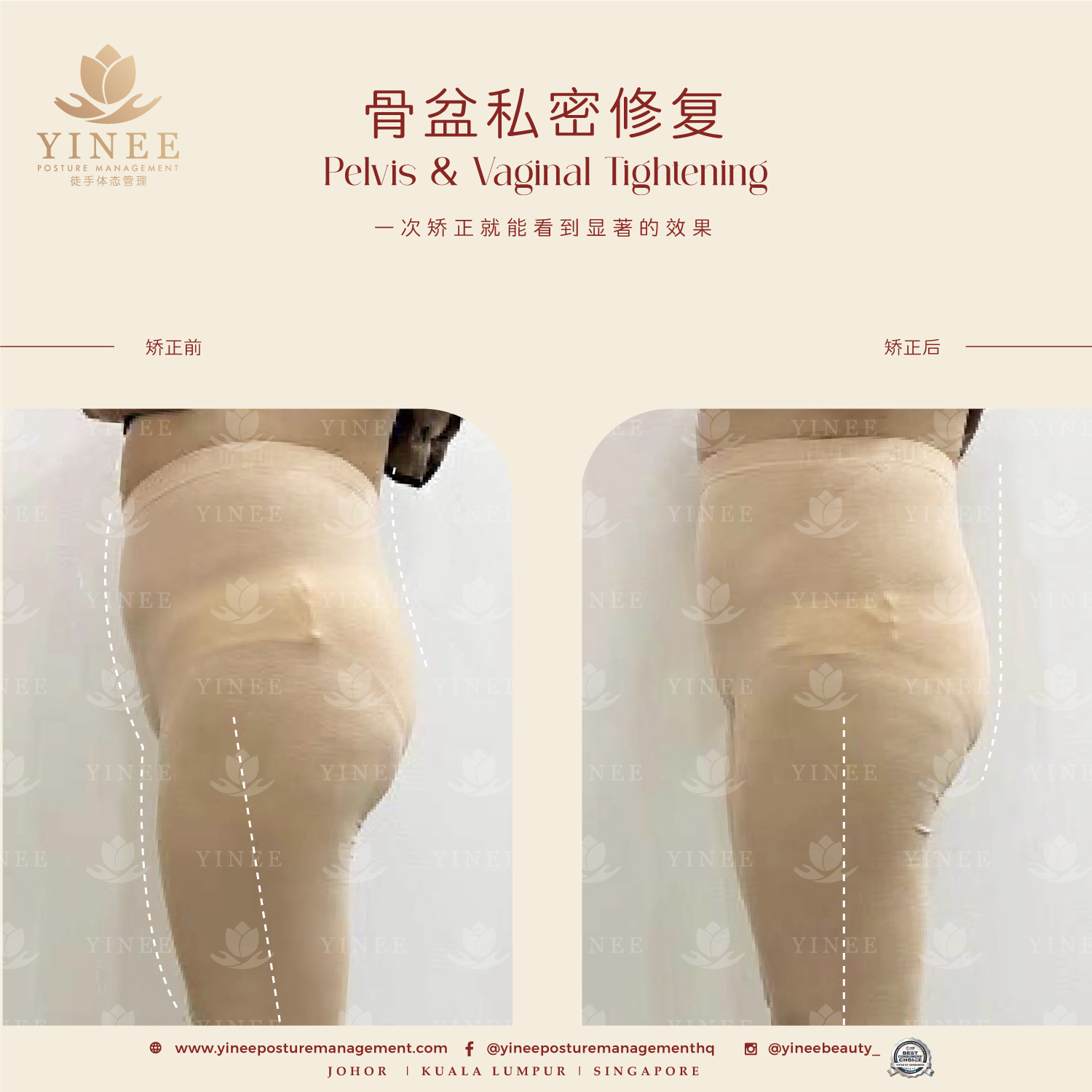
Posterior Pelvic Tilt
Protruding lower abdomen.
Hips expand horizontally and sag.
Rounded shoulders and hunchback, affecting the respiratory system.
Increased lumbar curvature,heightening the risk of back pain.
Affects the balance of hip flexor and extensor muscles, as well as hip joint mobility.
Severely disrupts body shape and posture.
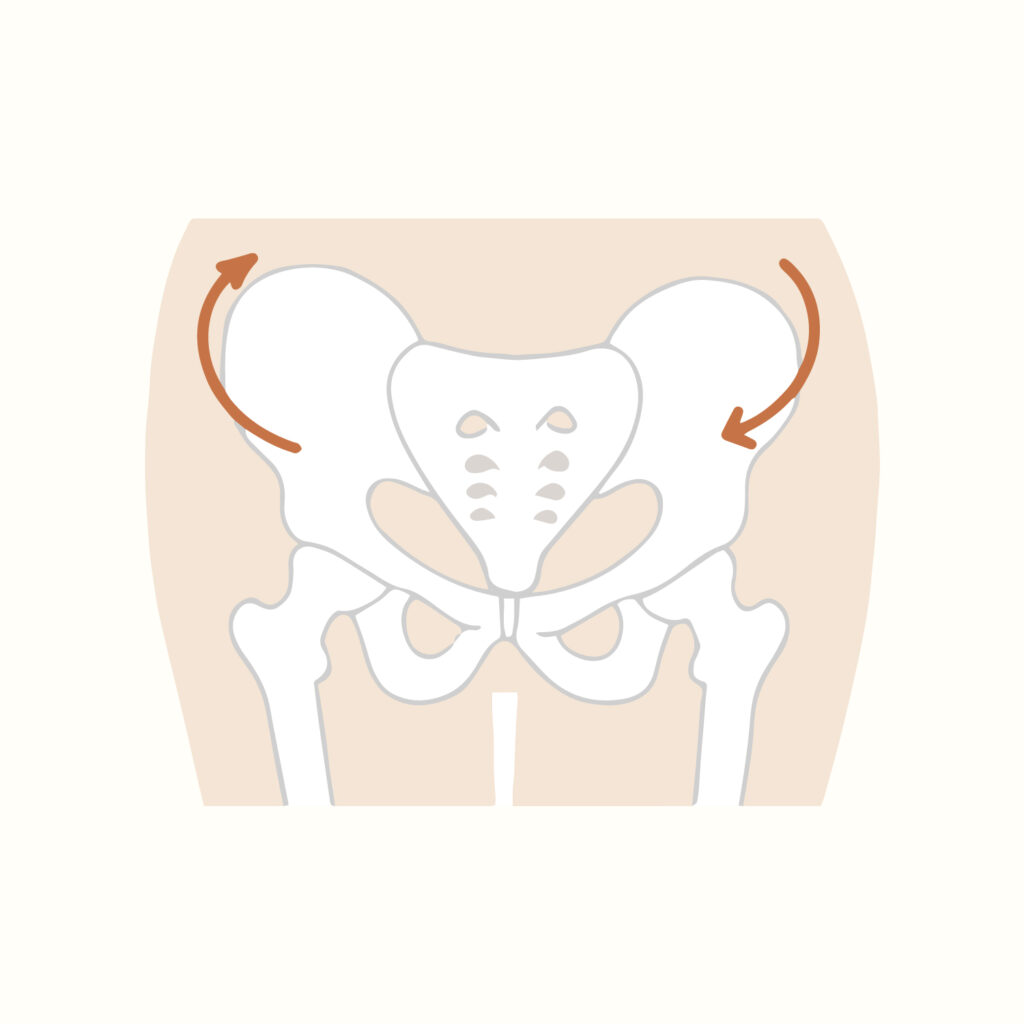
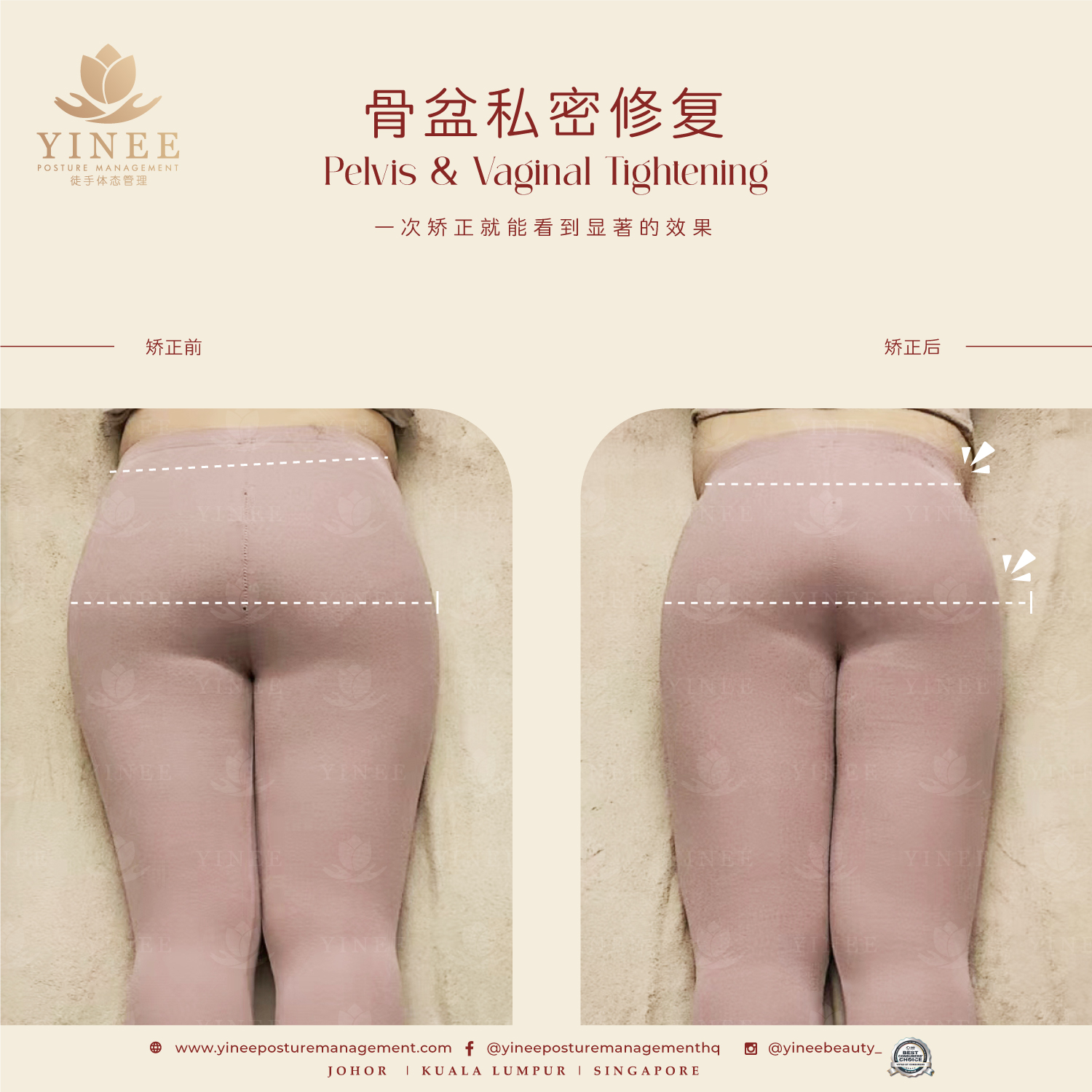
Pelvic Rotation
Spinal rotation misalignment, increasing the risk of chronic back pain.
Increases the risk of scoliosis.
Uneven weight distribution on the feet.
Pelvic pain.
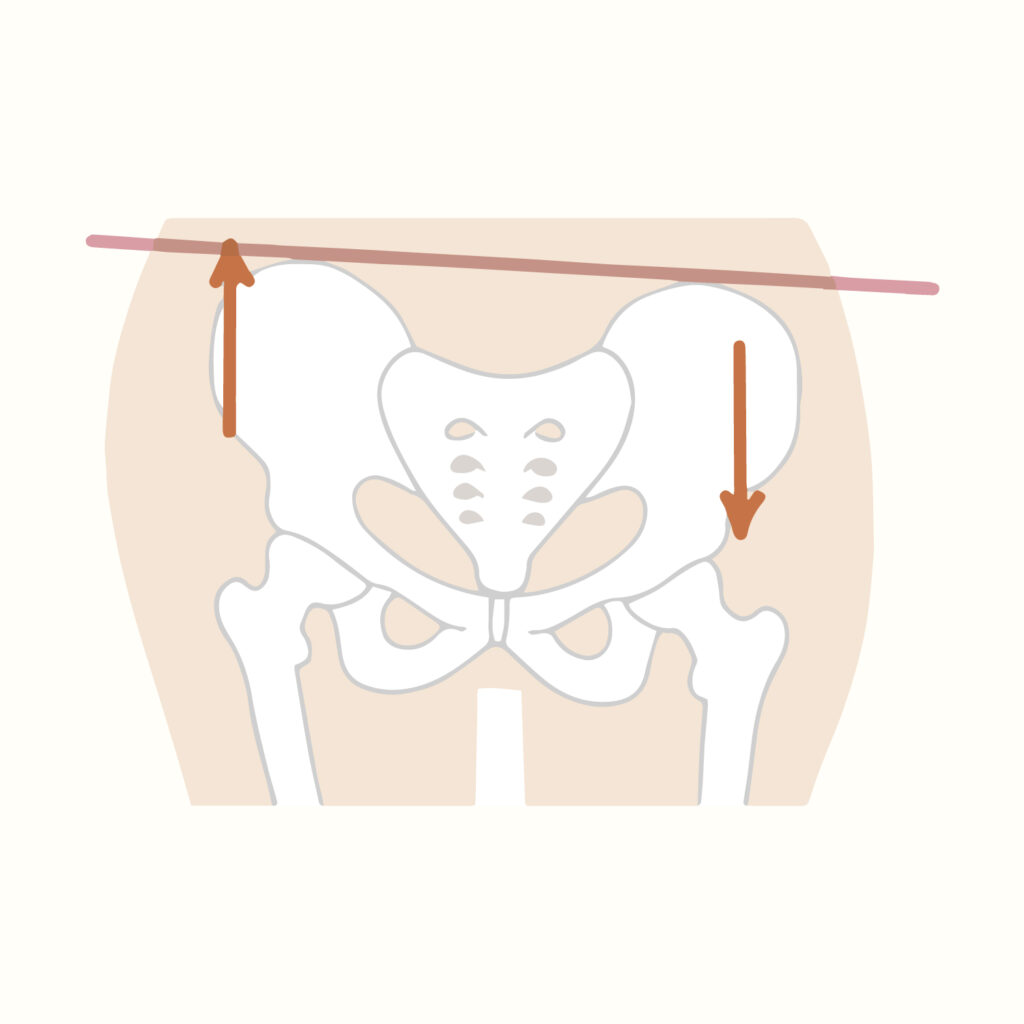
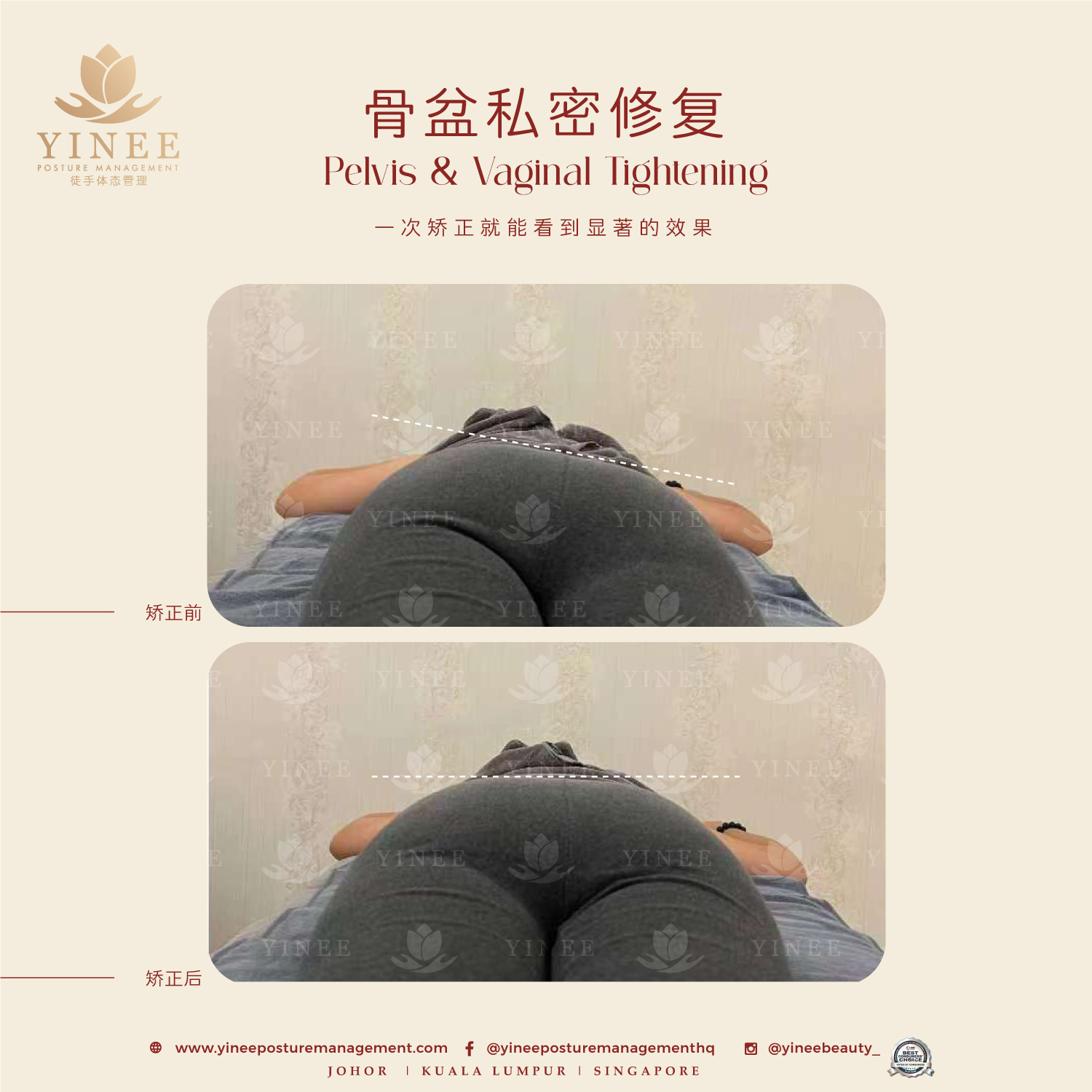
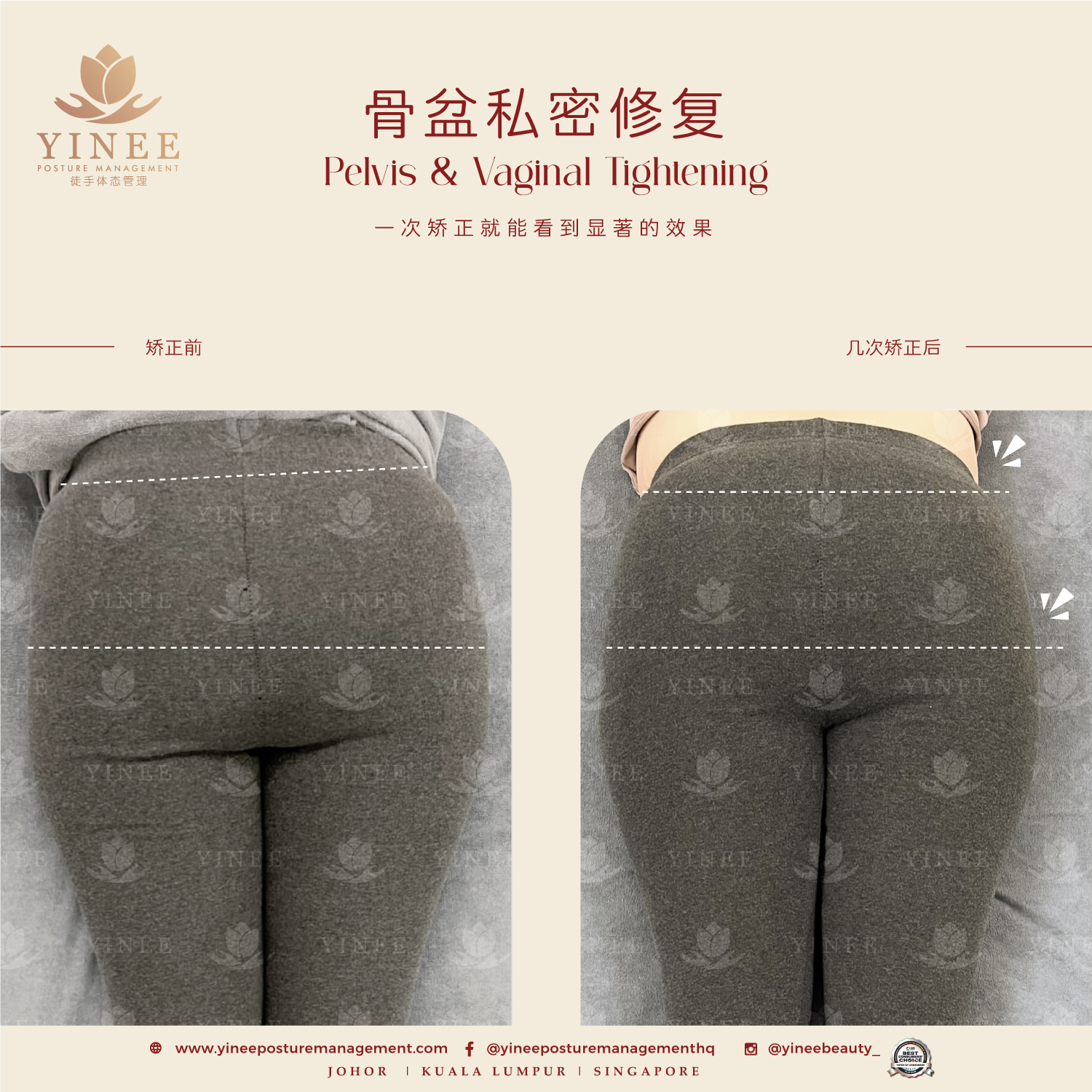
Uneven Pelvis
Can lead to leg length discrepancy, affecting daily movement.
Uneven posture, resulting in shoulder imbalance (high-low shoulders).
Increases the risk of lower back pain.
Increases the risk of scoliosis.
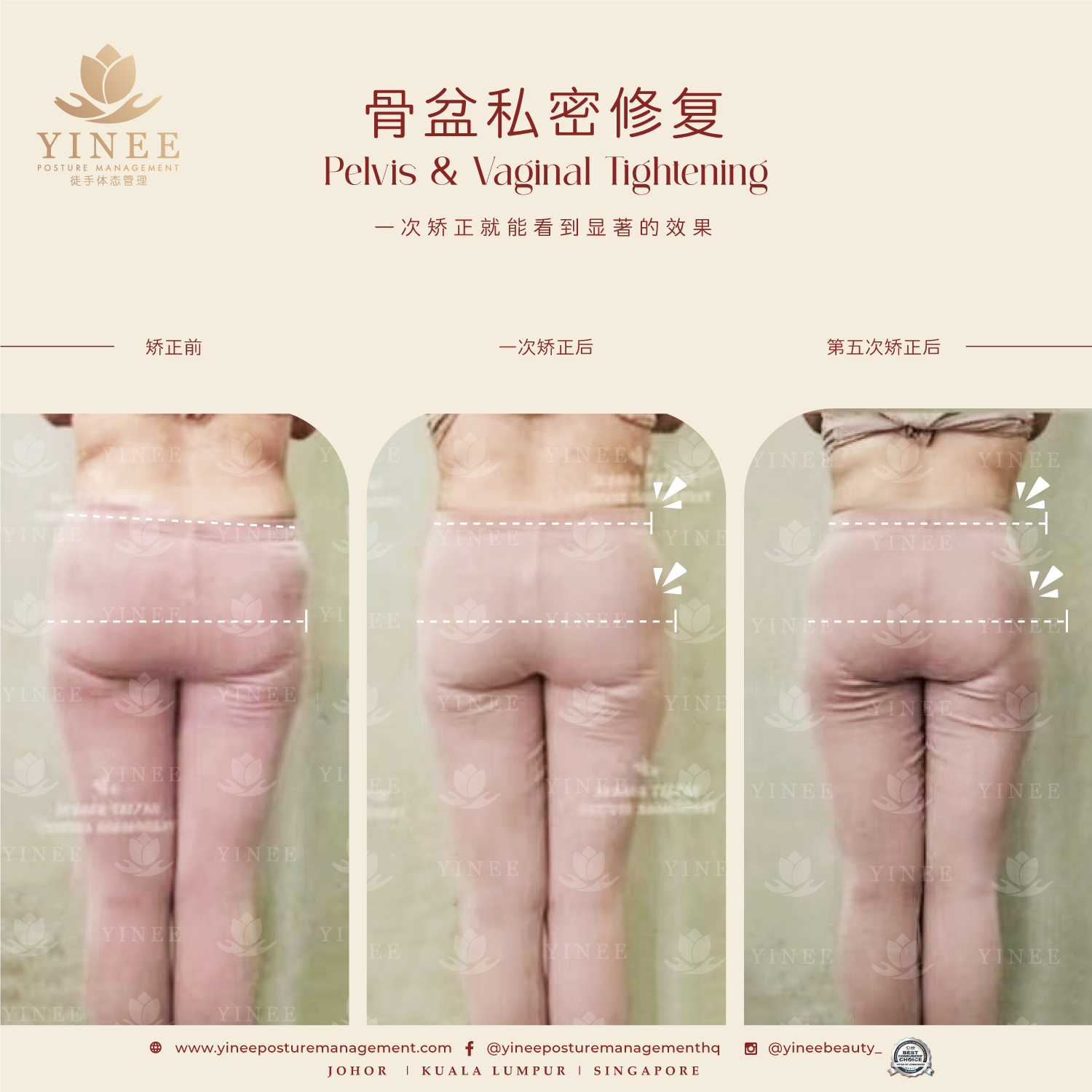
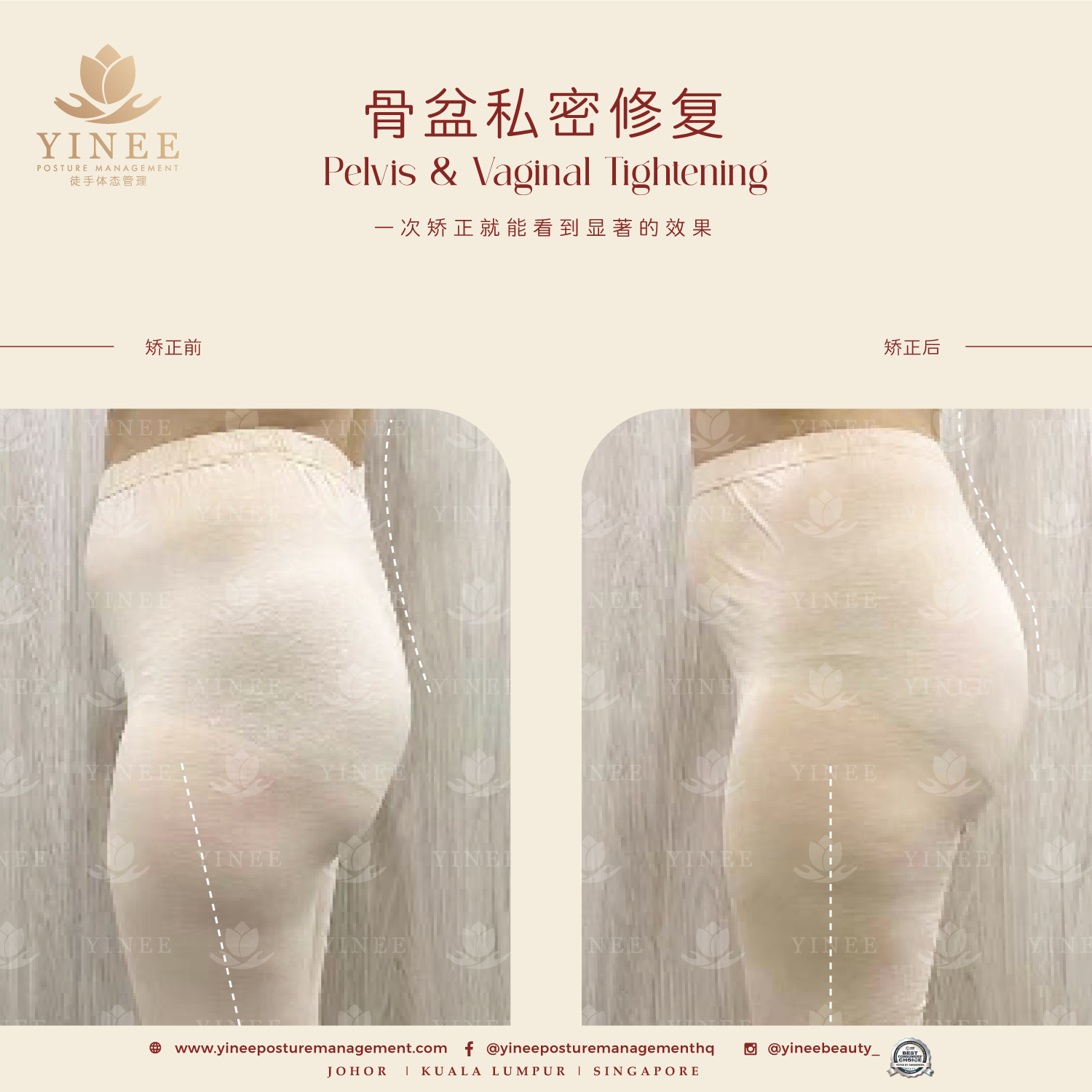
Saadlebags Posture
The pelvic connection protrudes, expanding horizontally, which can lead to significant fat accumulation.
Causes the appearance of “saddlebags,” often resembling “elephant legs.”